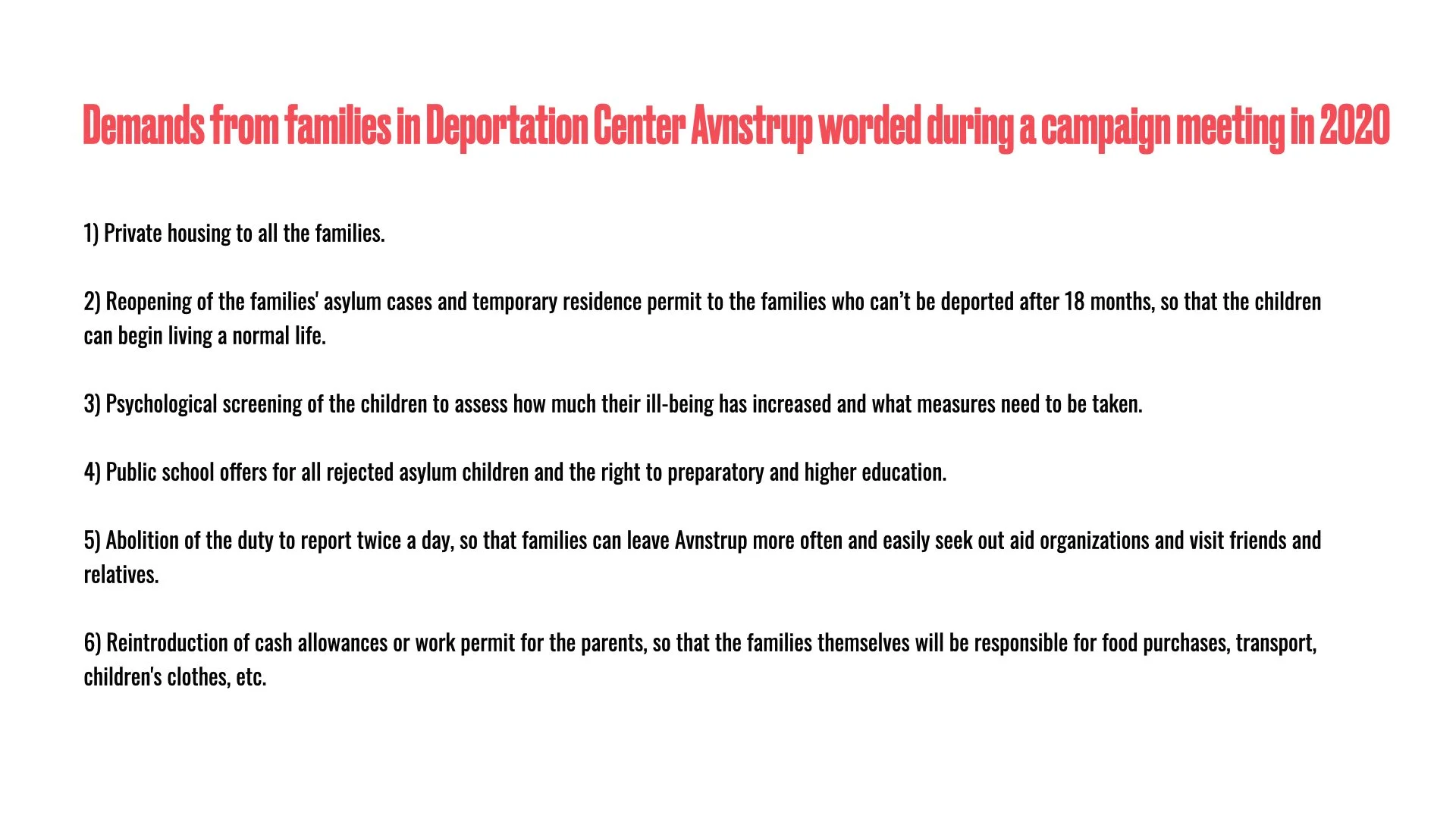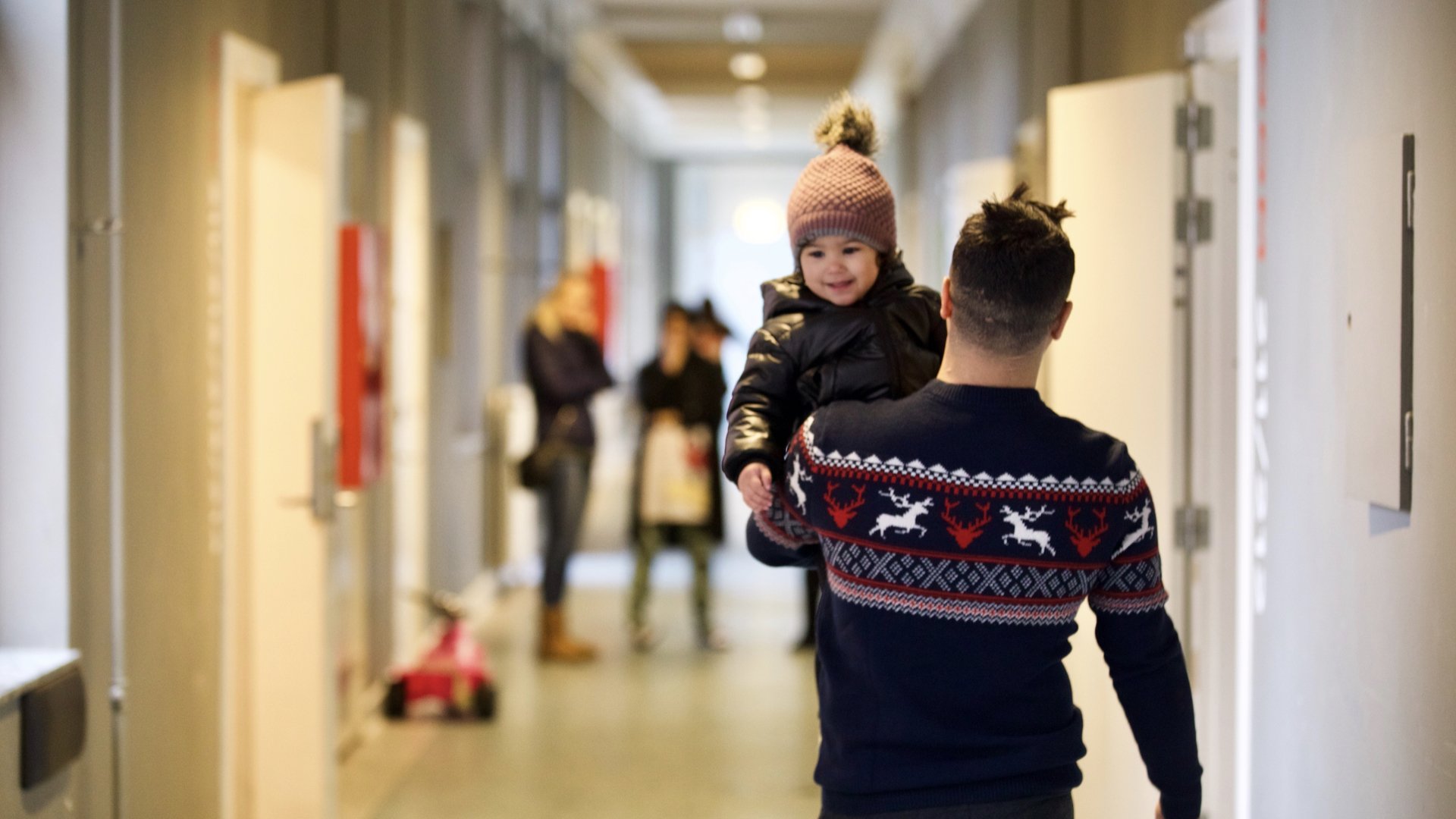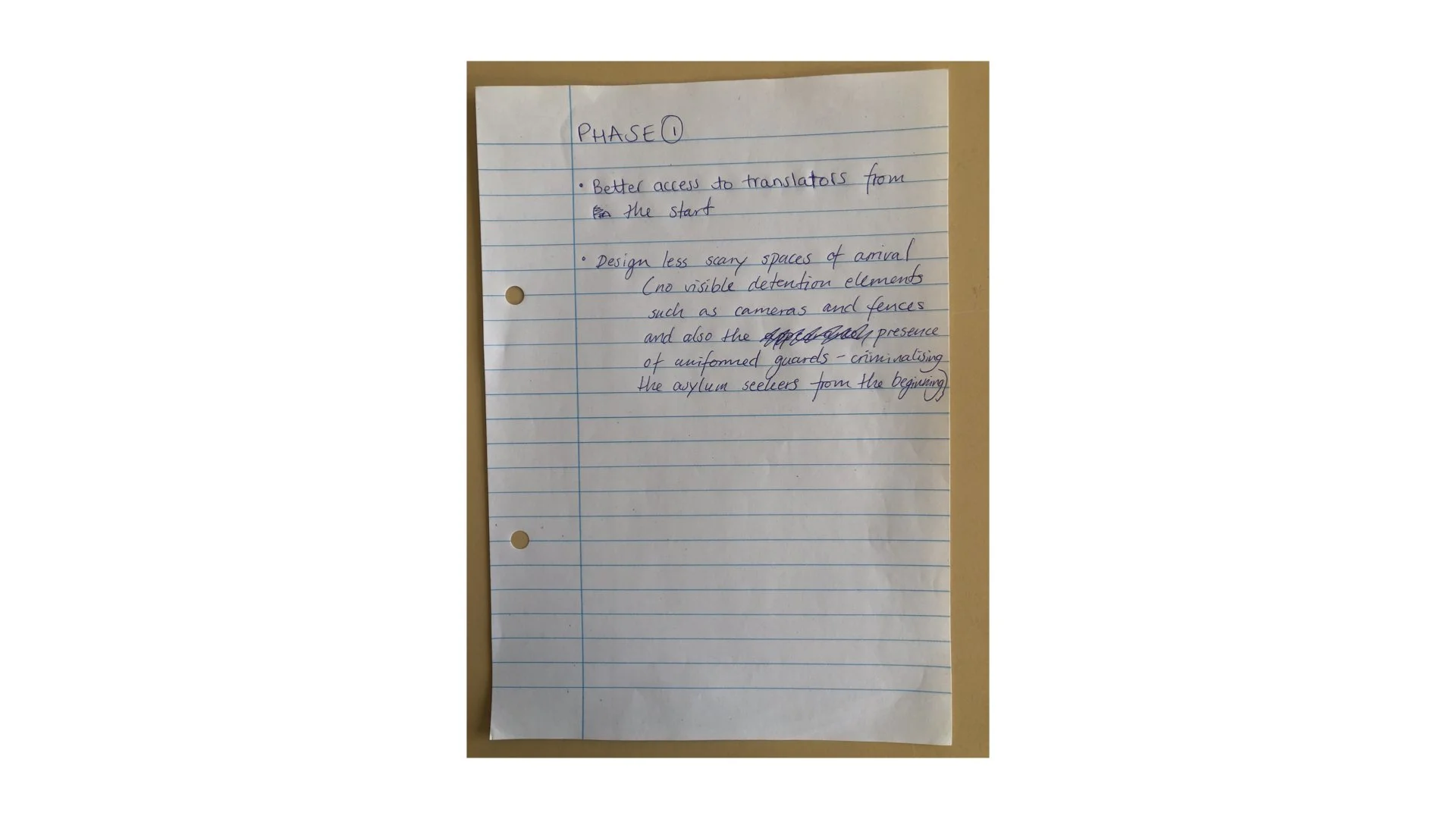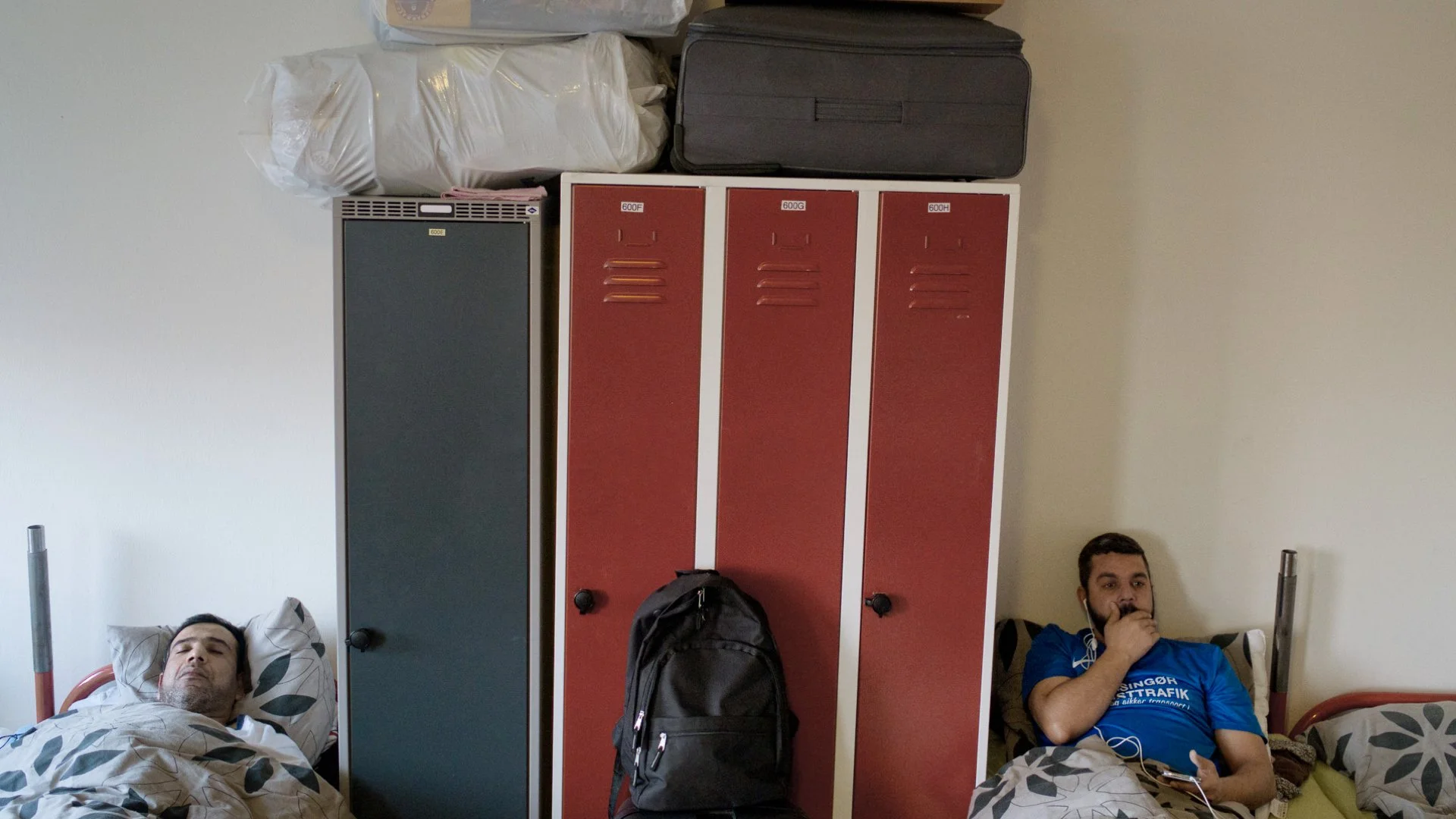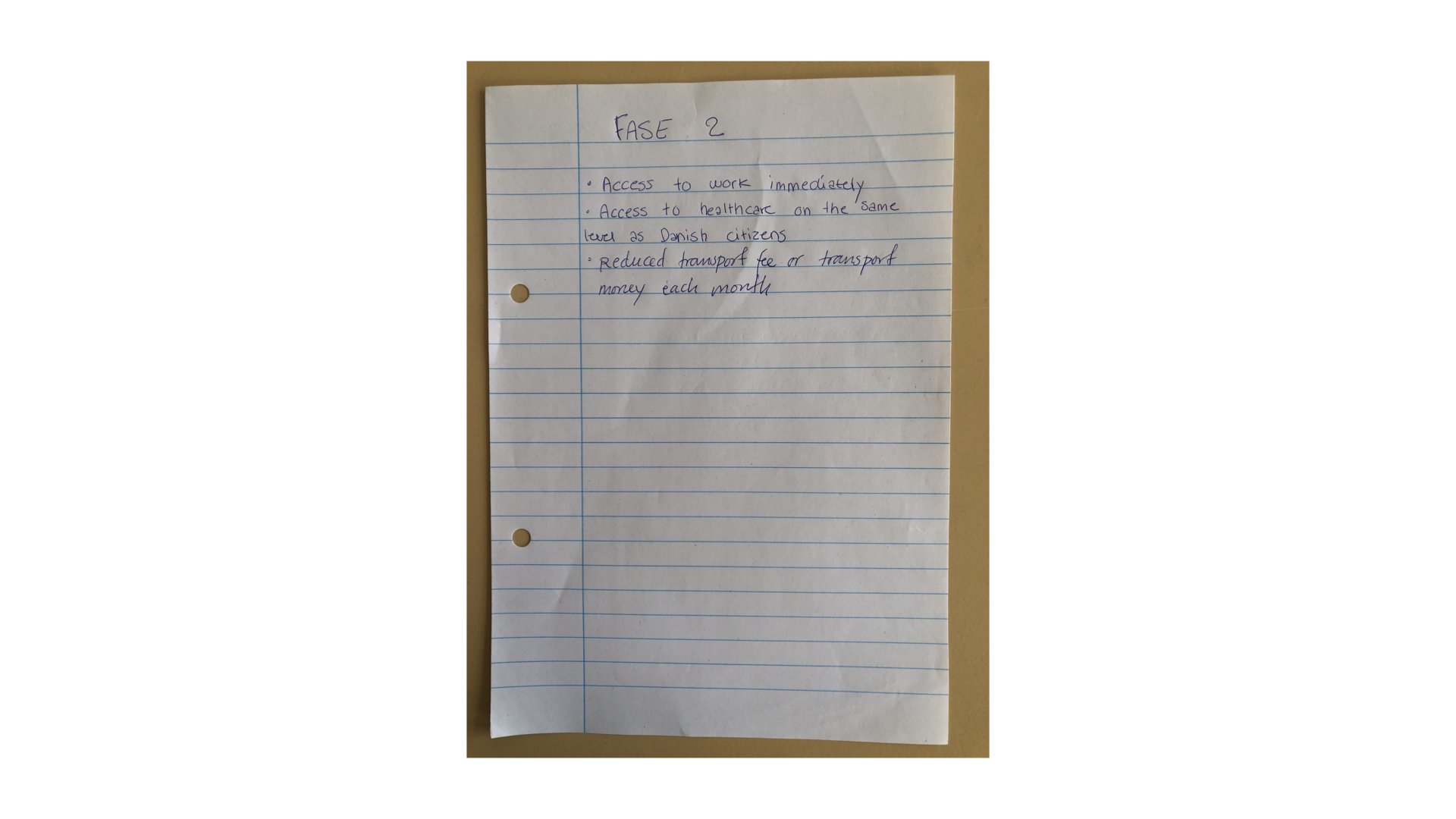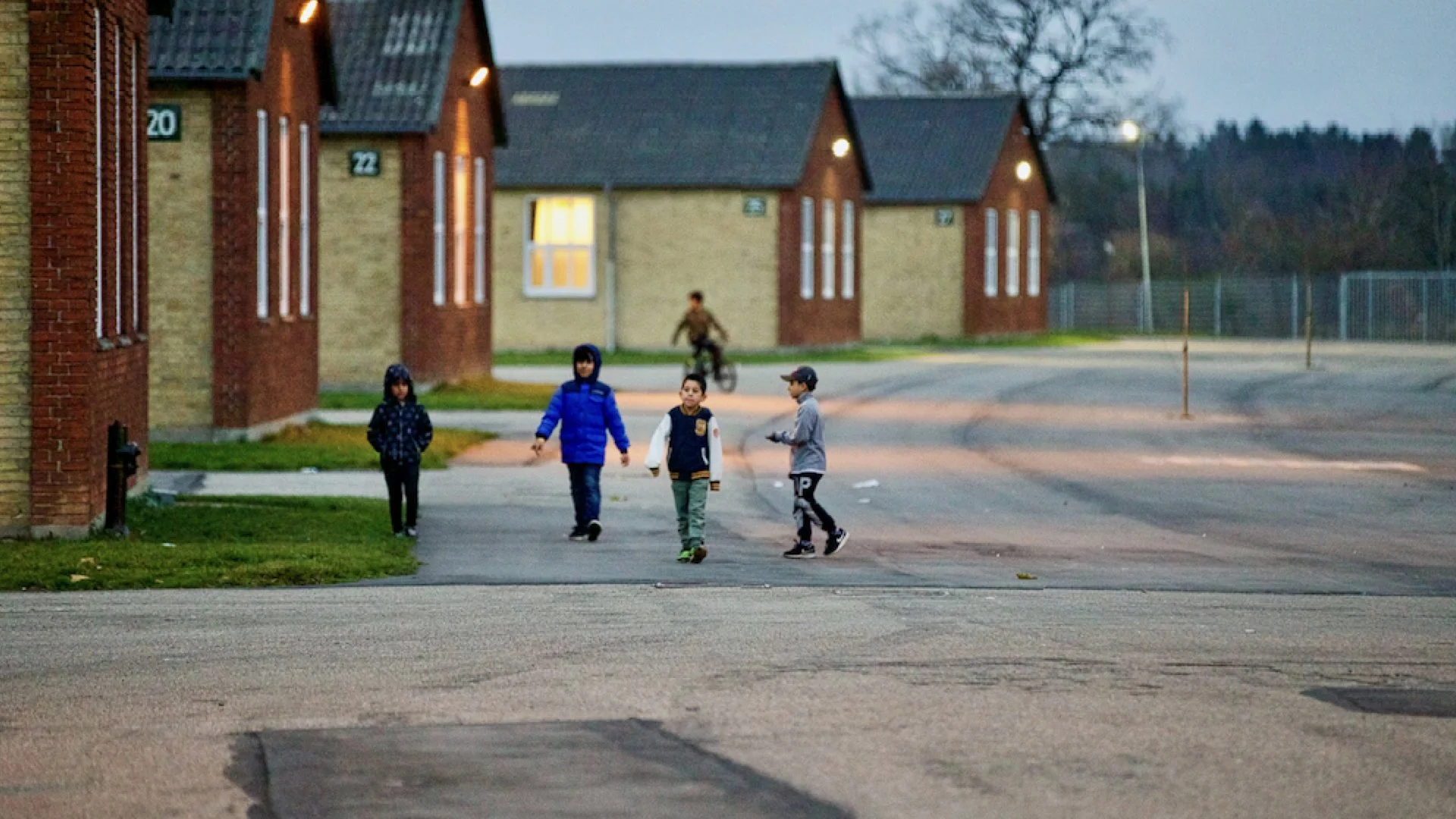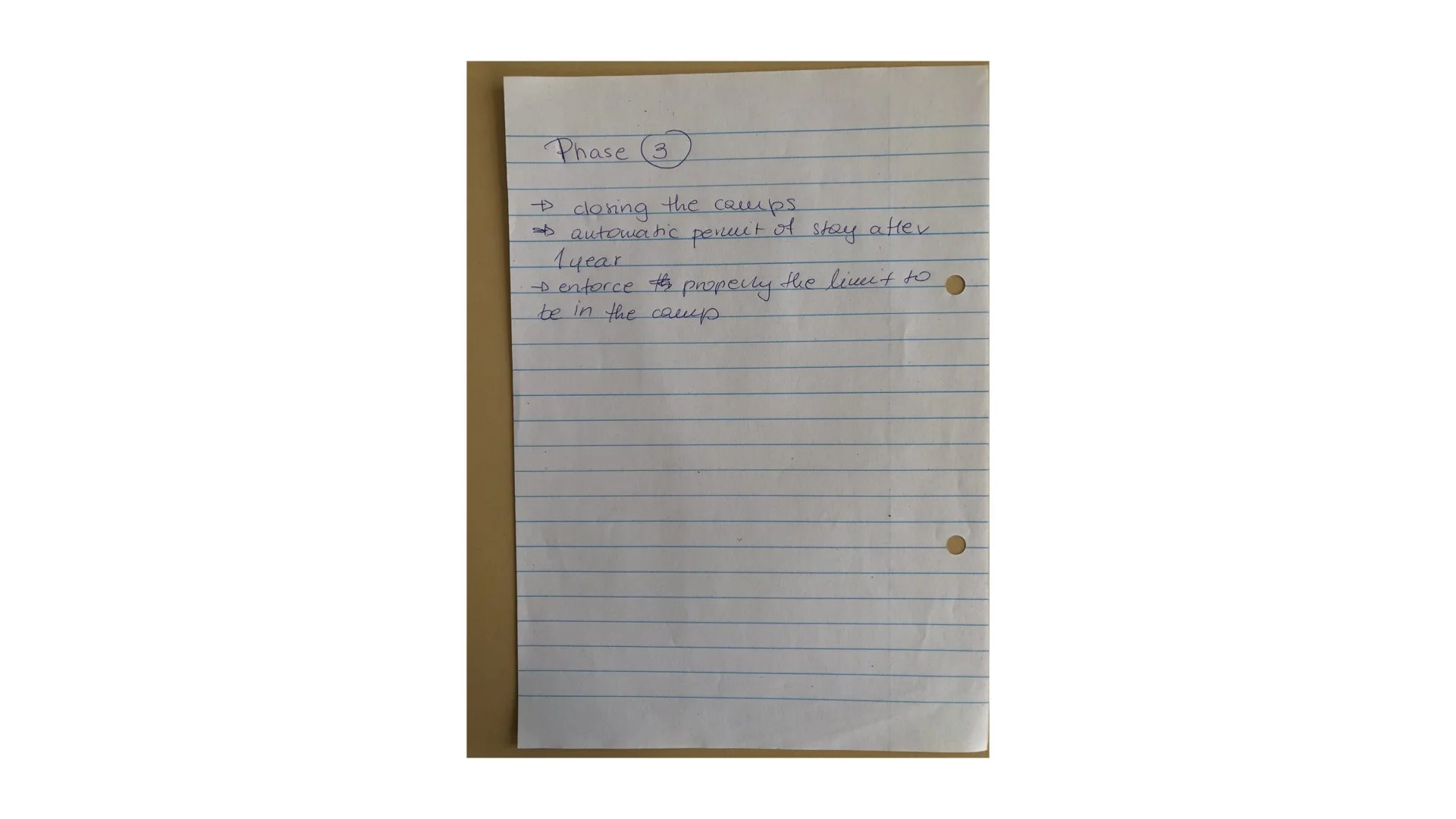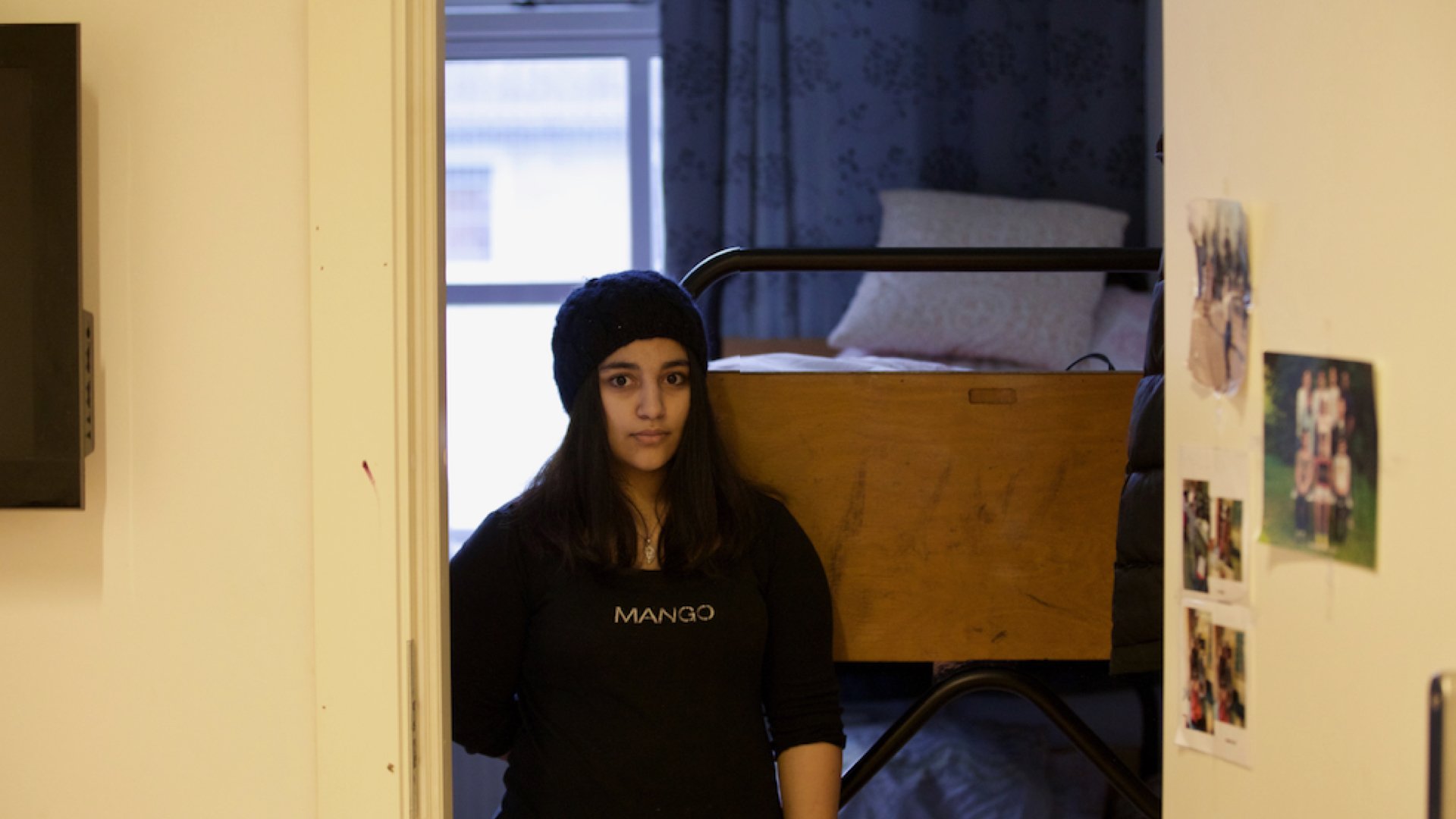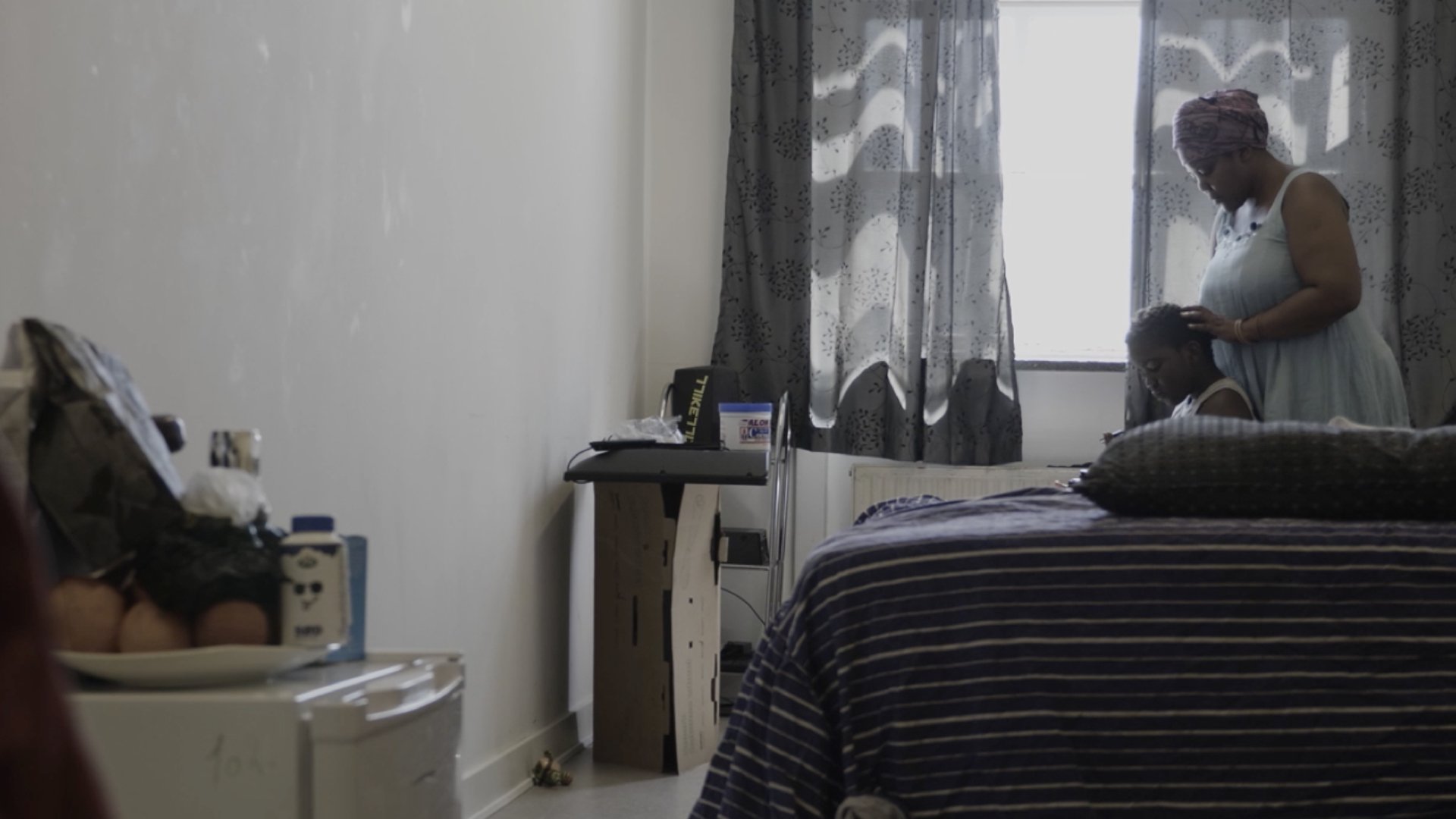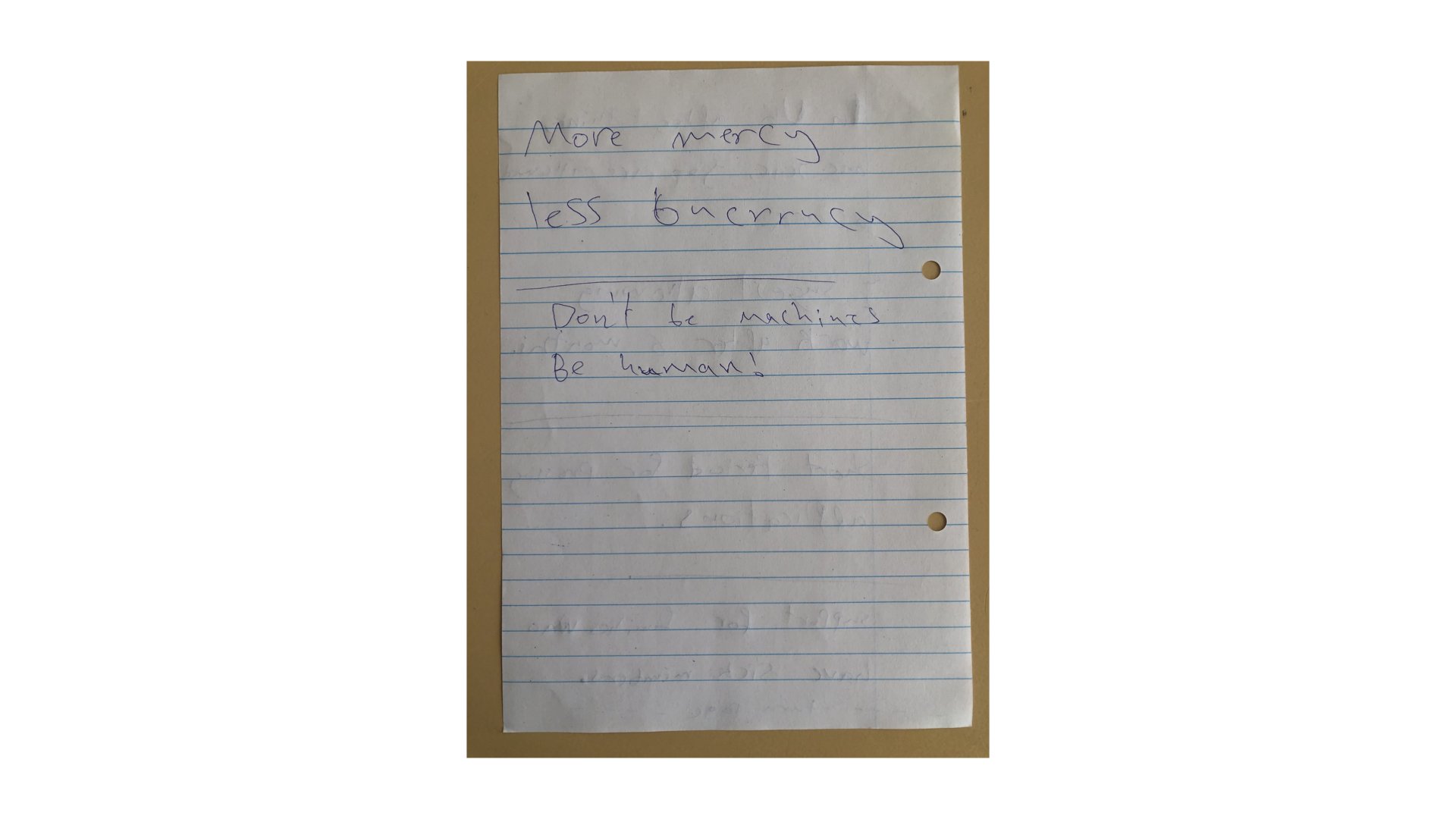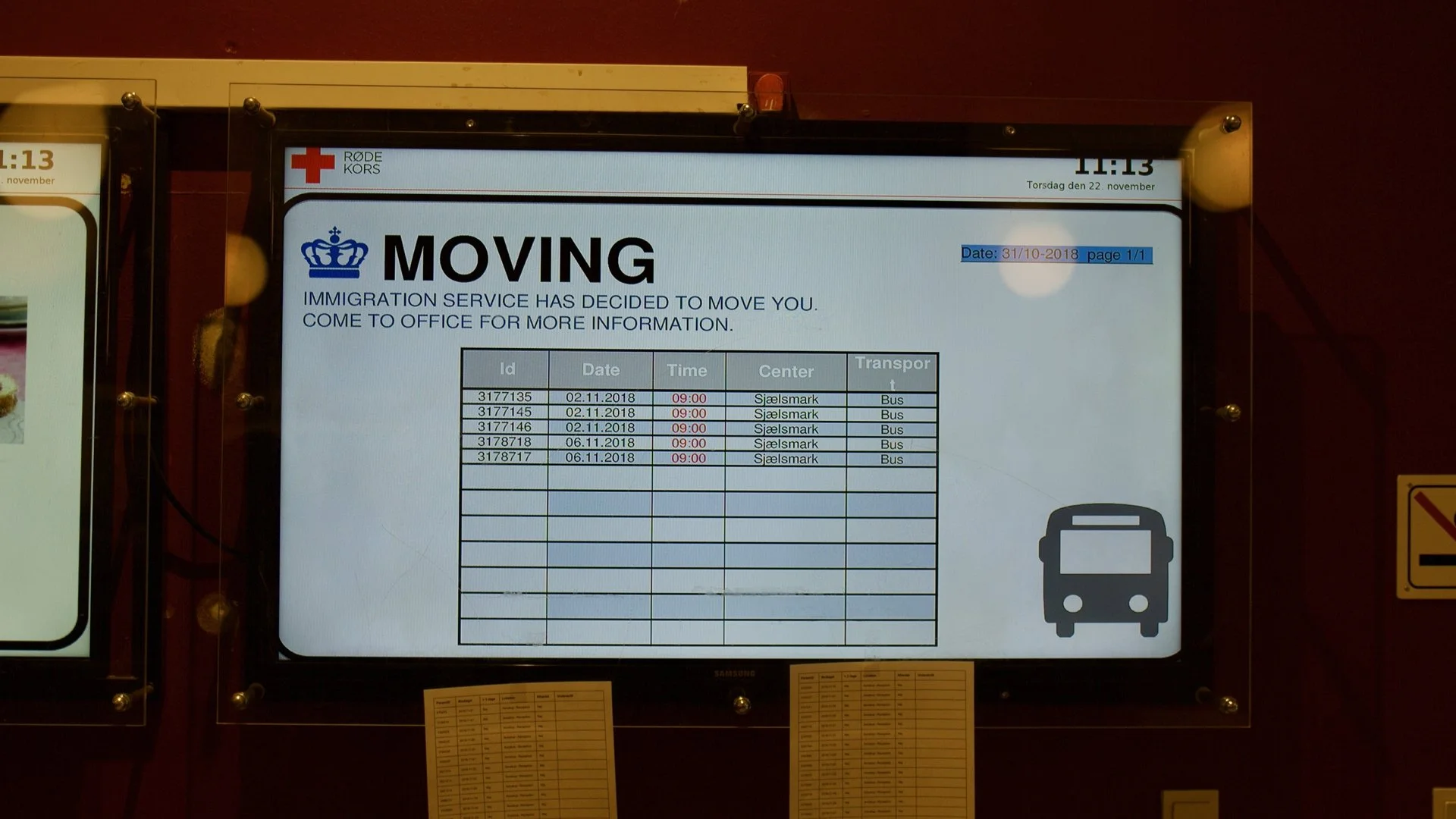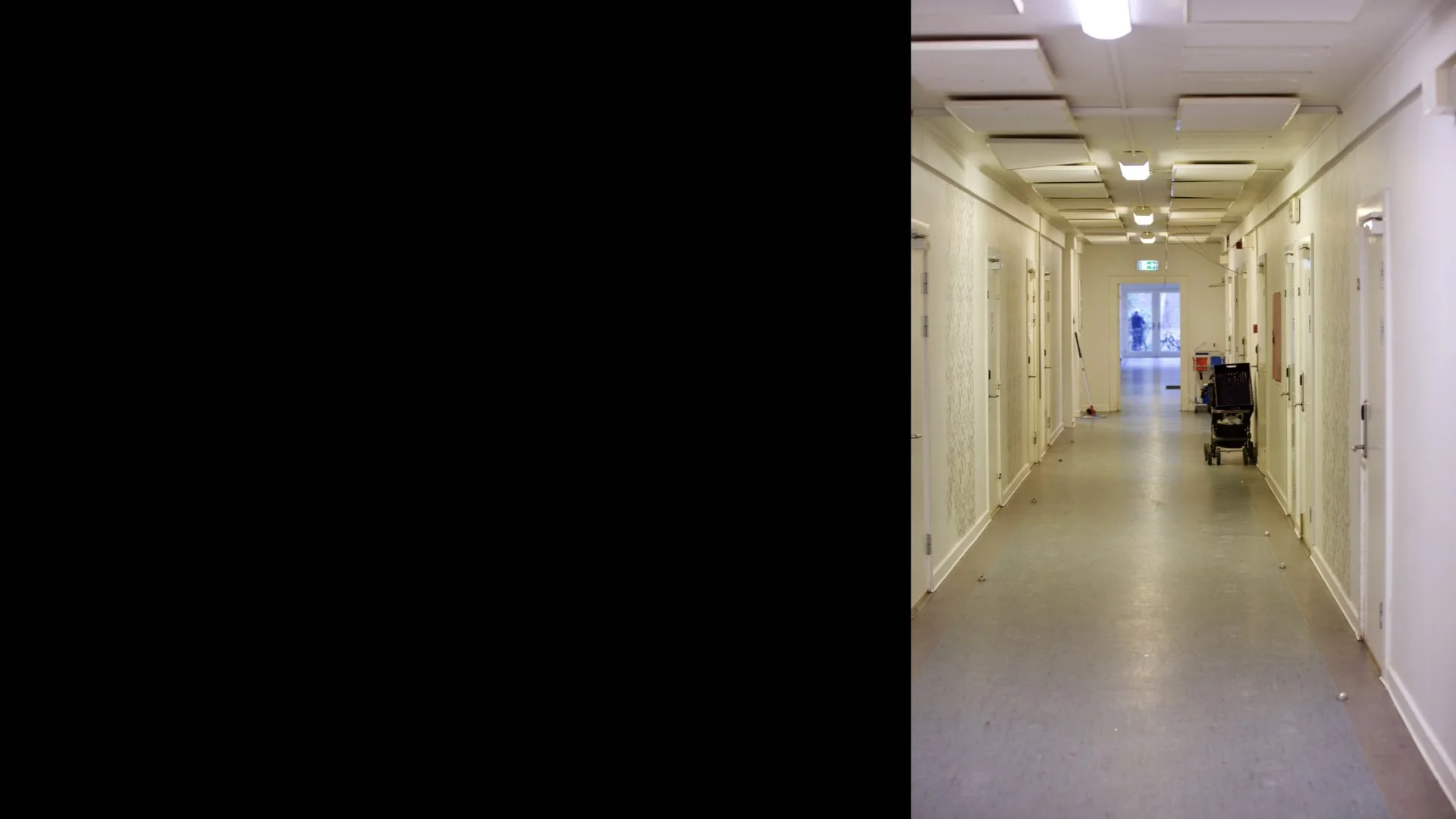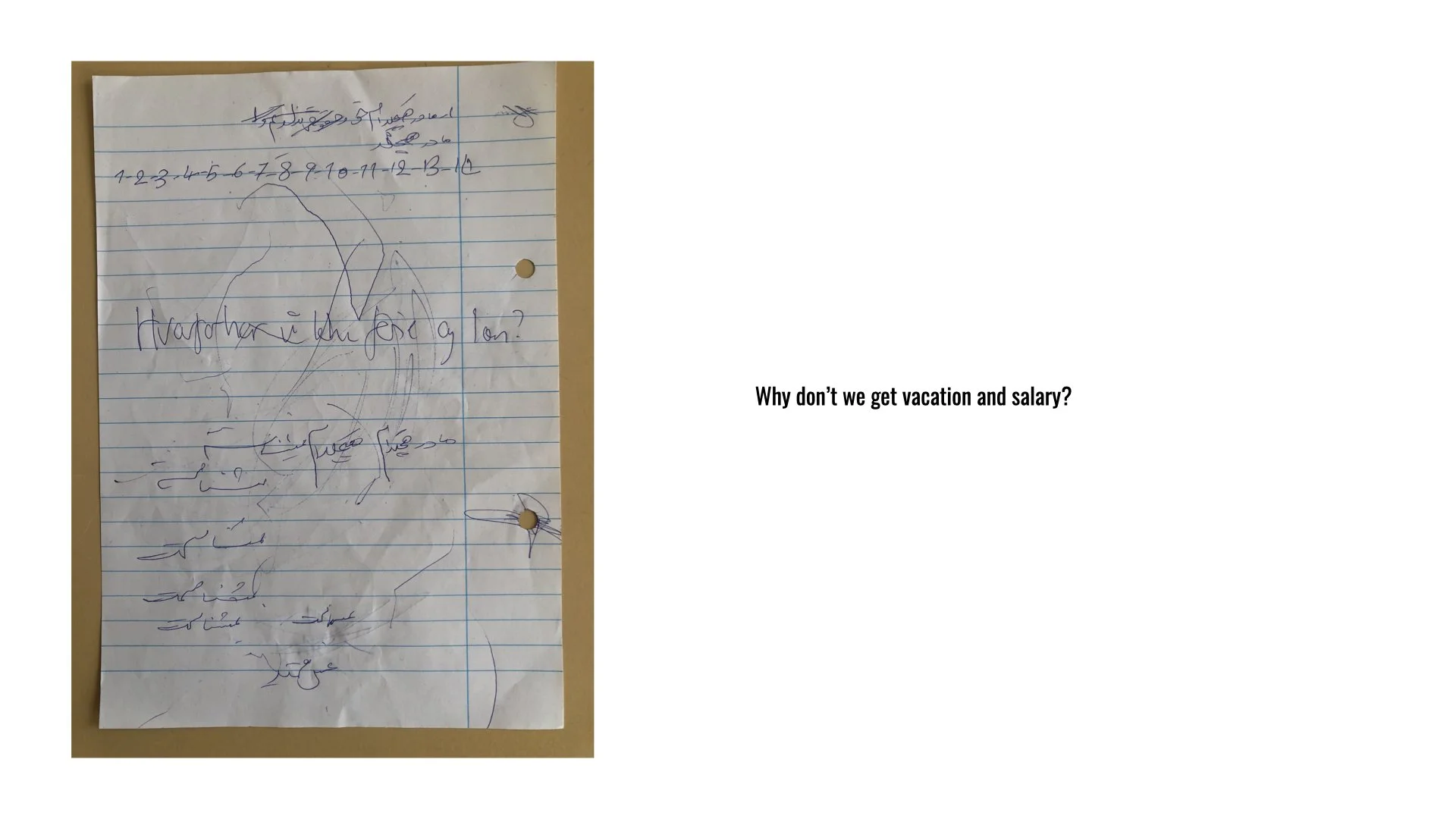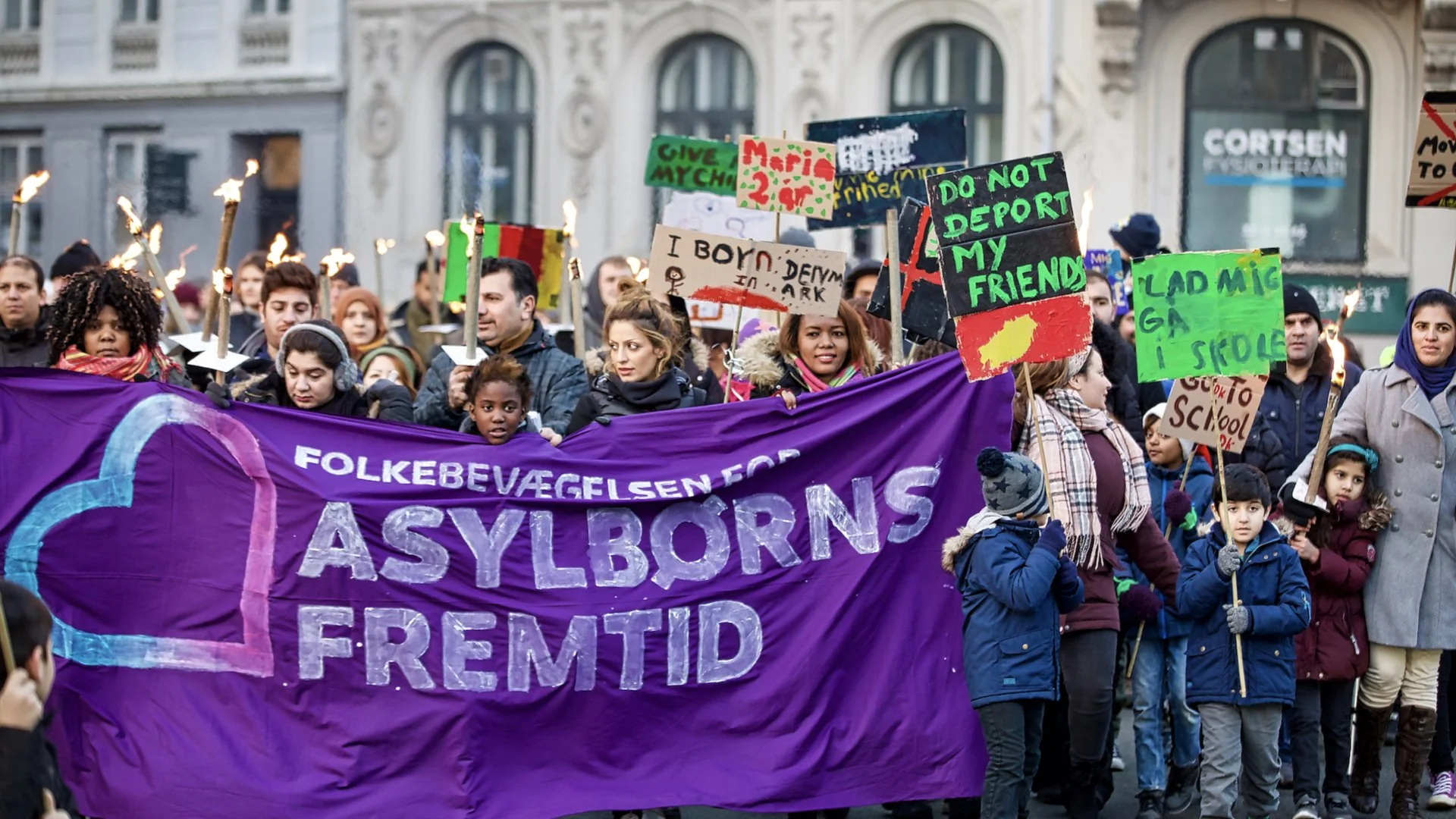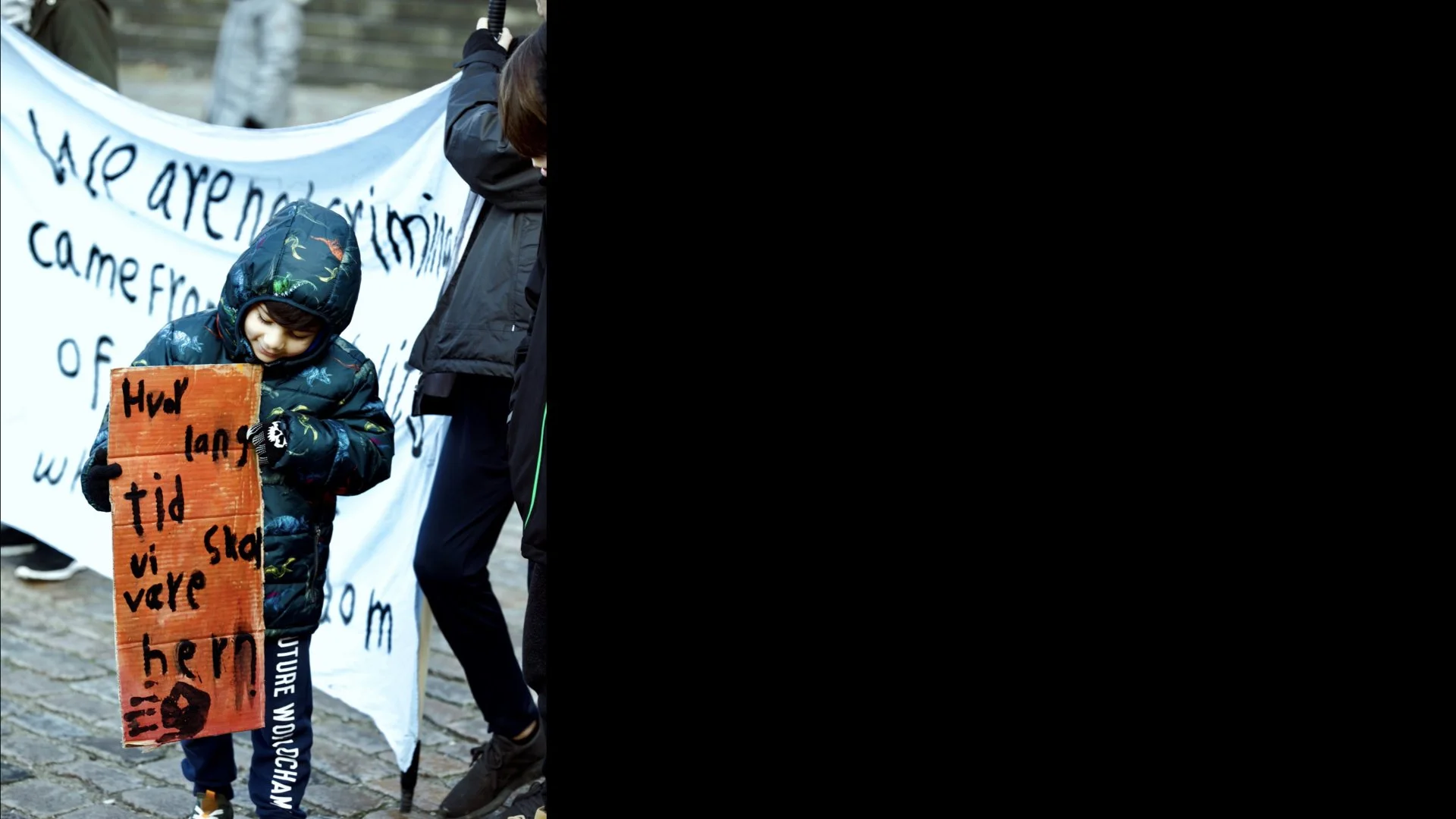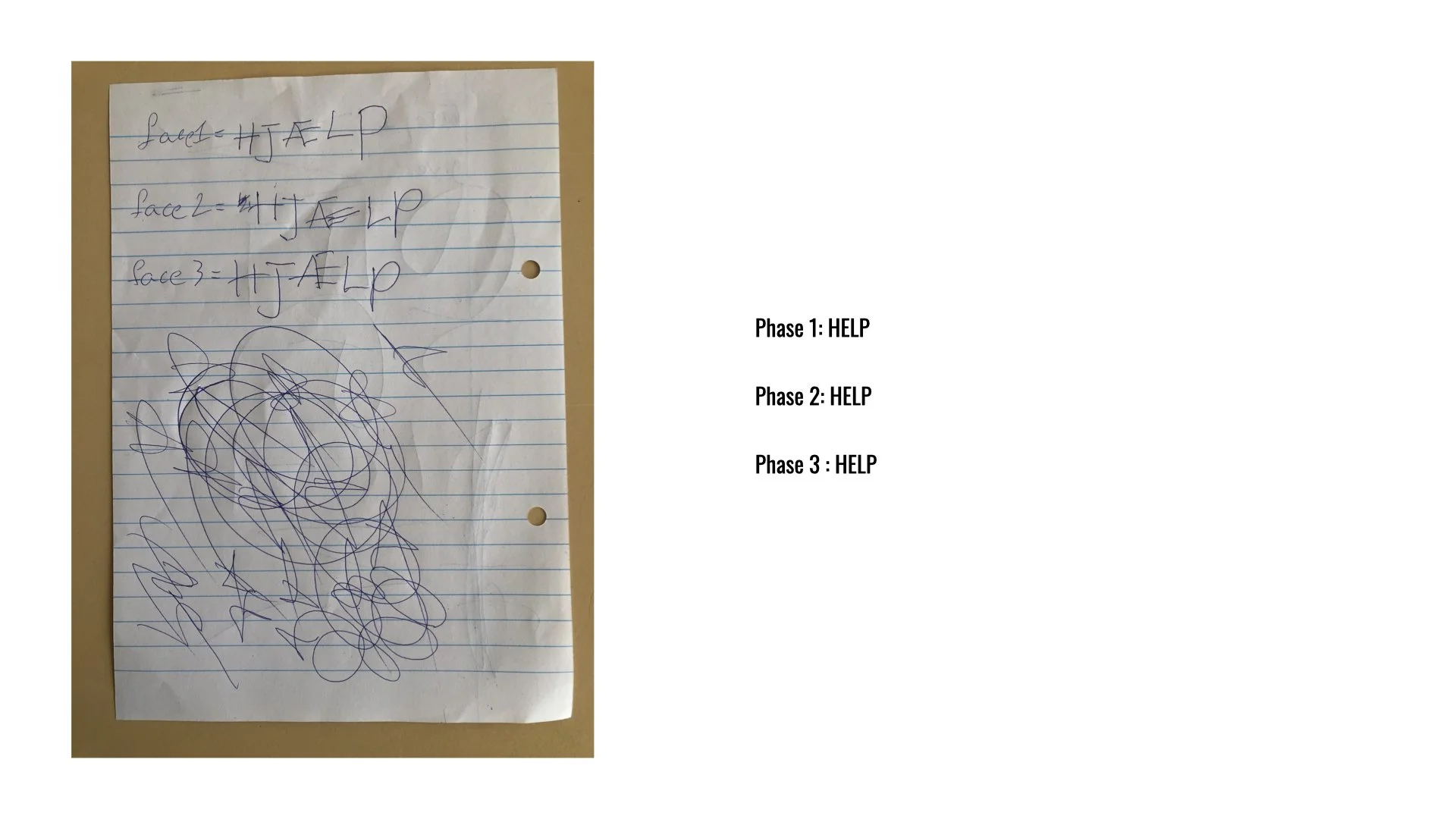
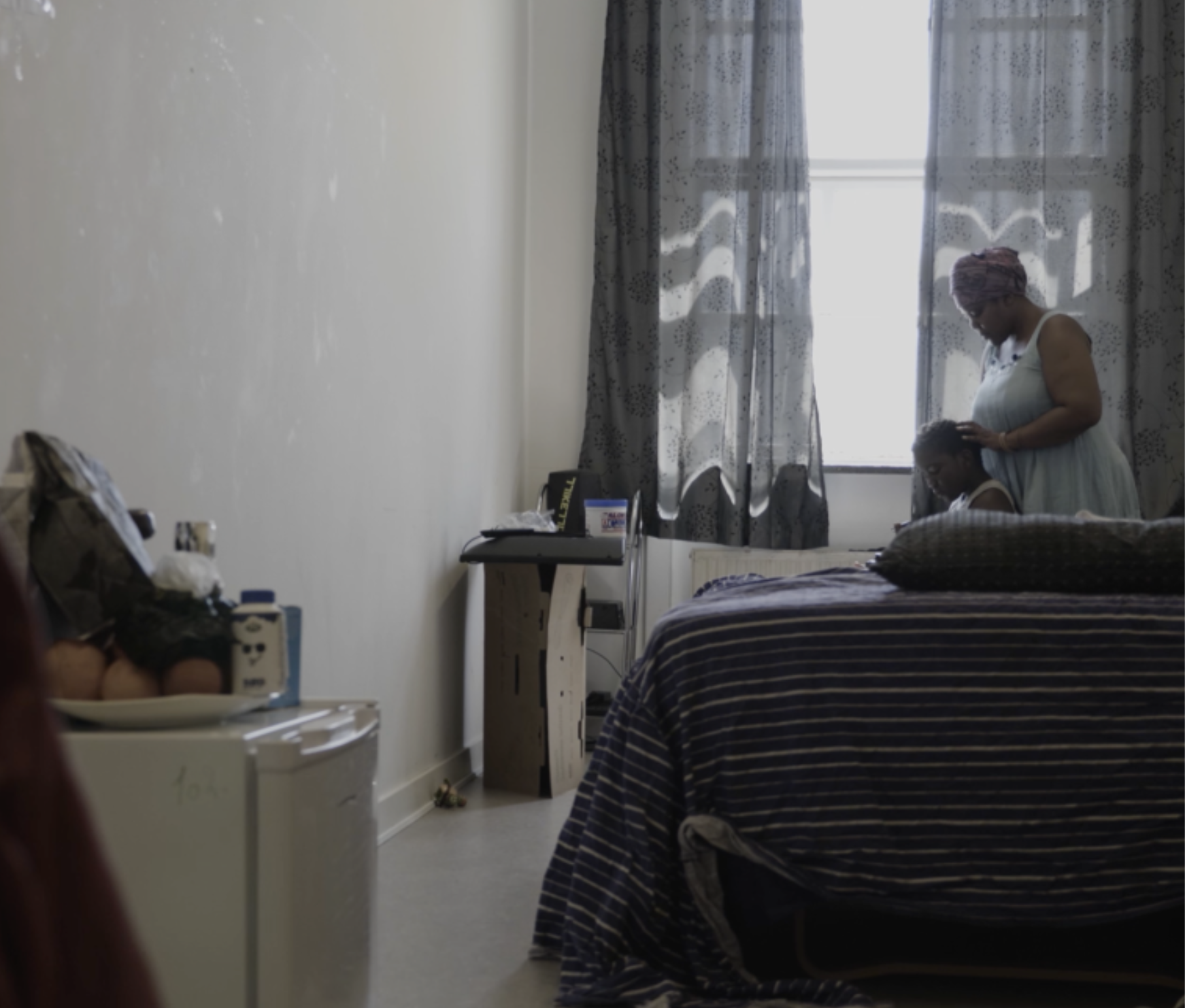
“Roughly speaking, there are only three things one can do in the asylum centers: eat, go to the toilet, and sleep. It means that you languish, while all your skills and dreams slowly vanish. In Trampoline House, there is a lot to do and I can put my knowledge and skills to good use.”
Inclusion from day 1
Integration works best when new citizens are invited to contribute and participate in society from day 1.
Asylum seekers want to contribute to the Danish society, but Denmark’s asylum policies don’t allow that – even though research shows that the uncertain waiting time in asylum centers has negative effects on people’s mental and physical well-being. This is detrimental not only to the individual, but also to their integration into society.
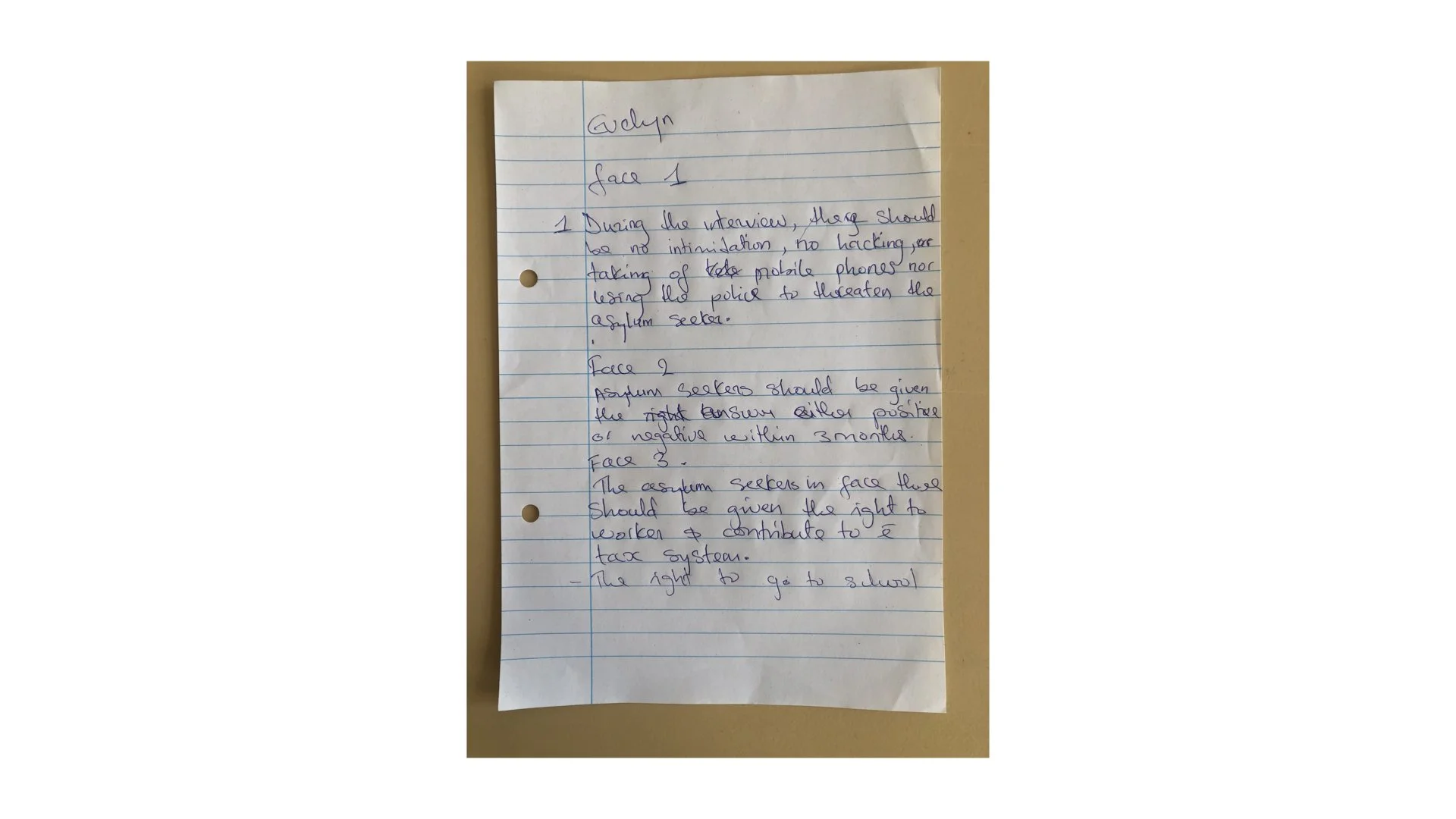
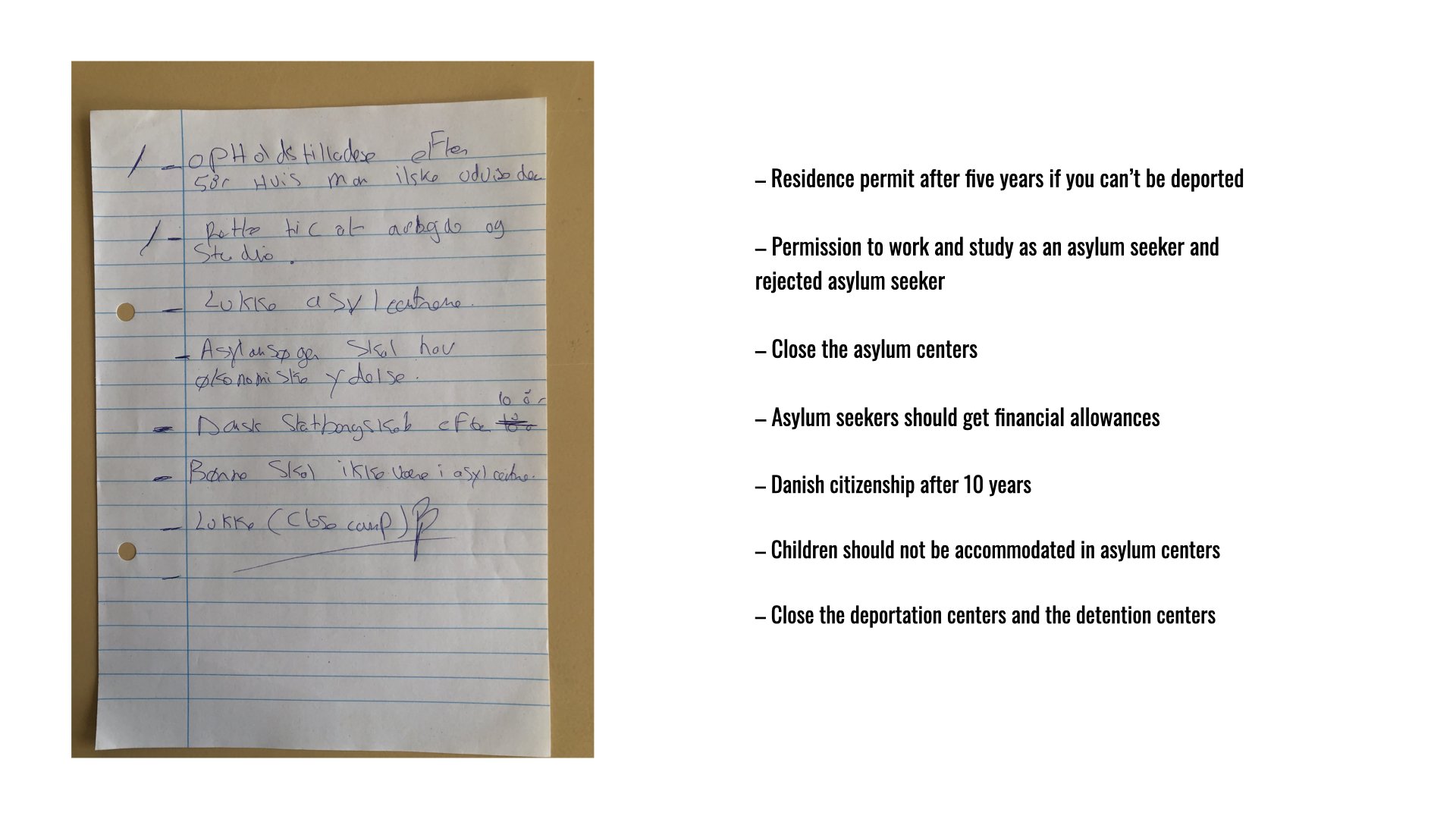
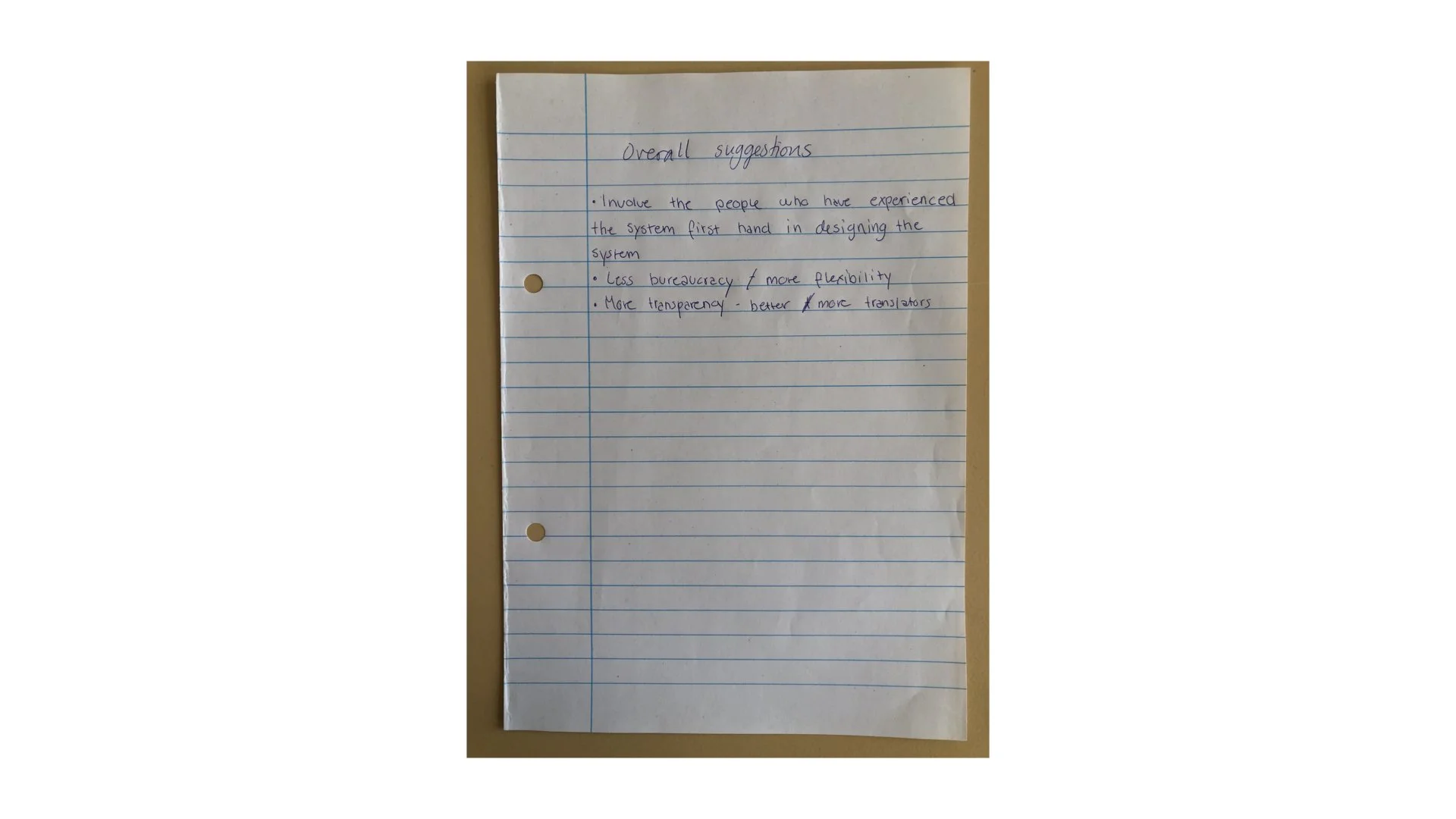
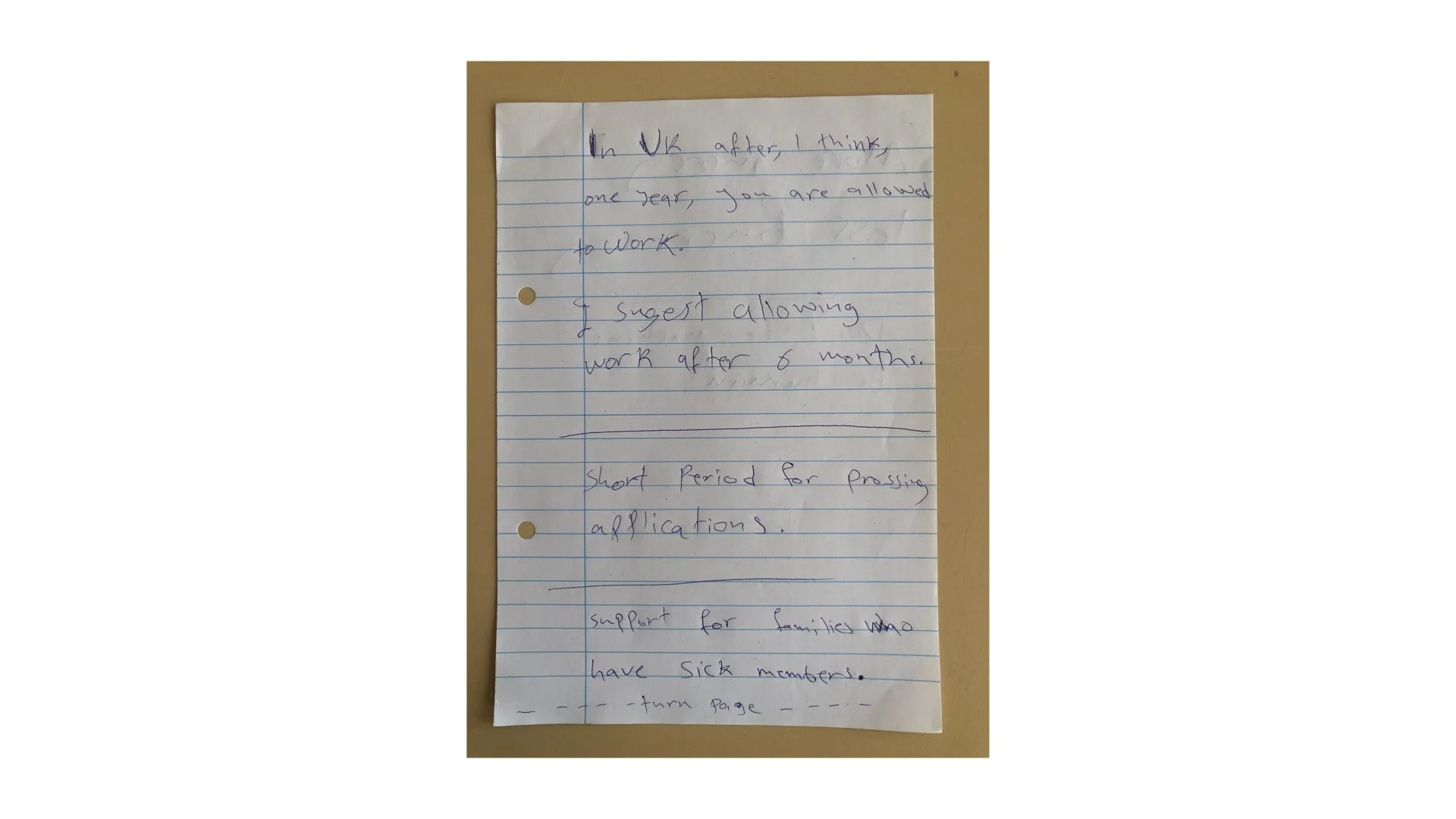
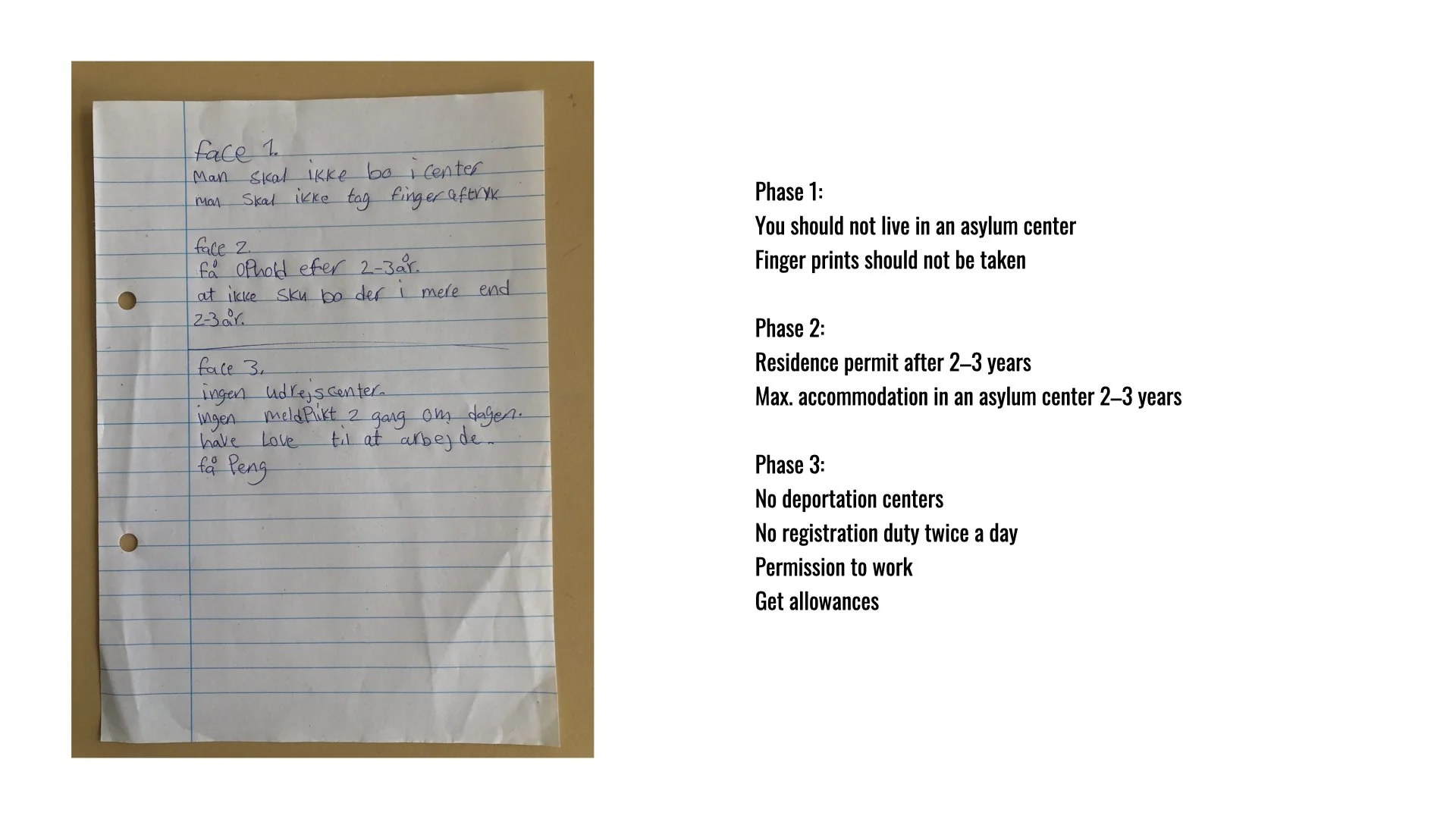
Trampoline House recommends that all asylum seekers should have the right to the following during all aspects and phases of their asylum-seeking process:
Education, internships ('praktik') and jobs
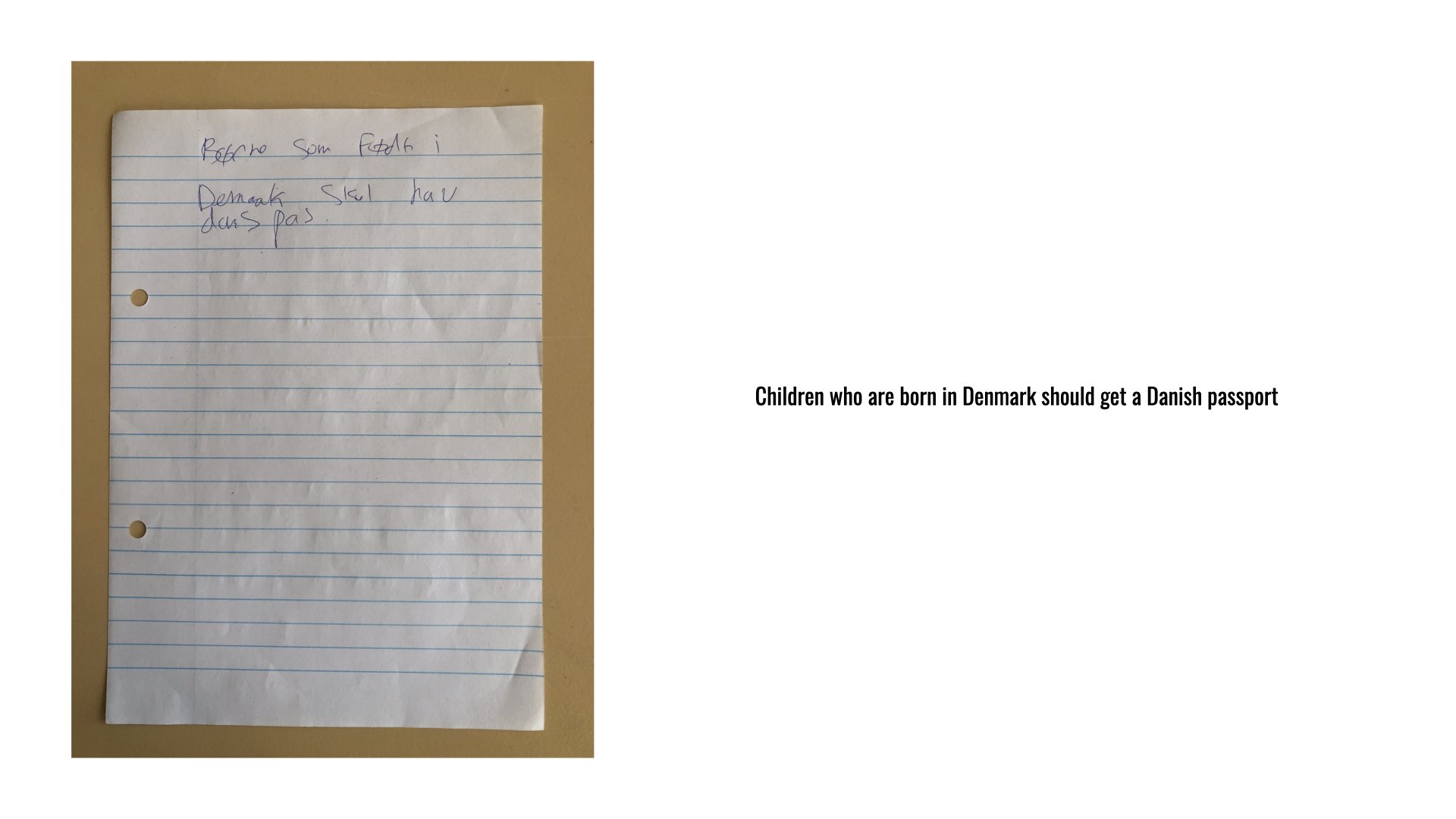
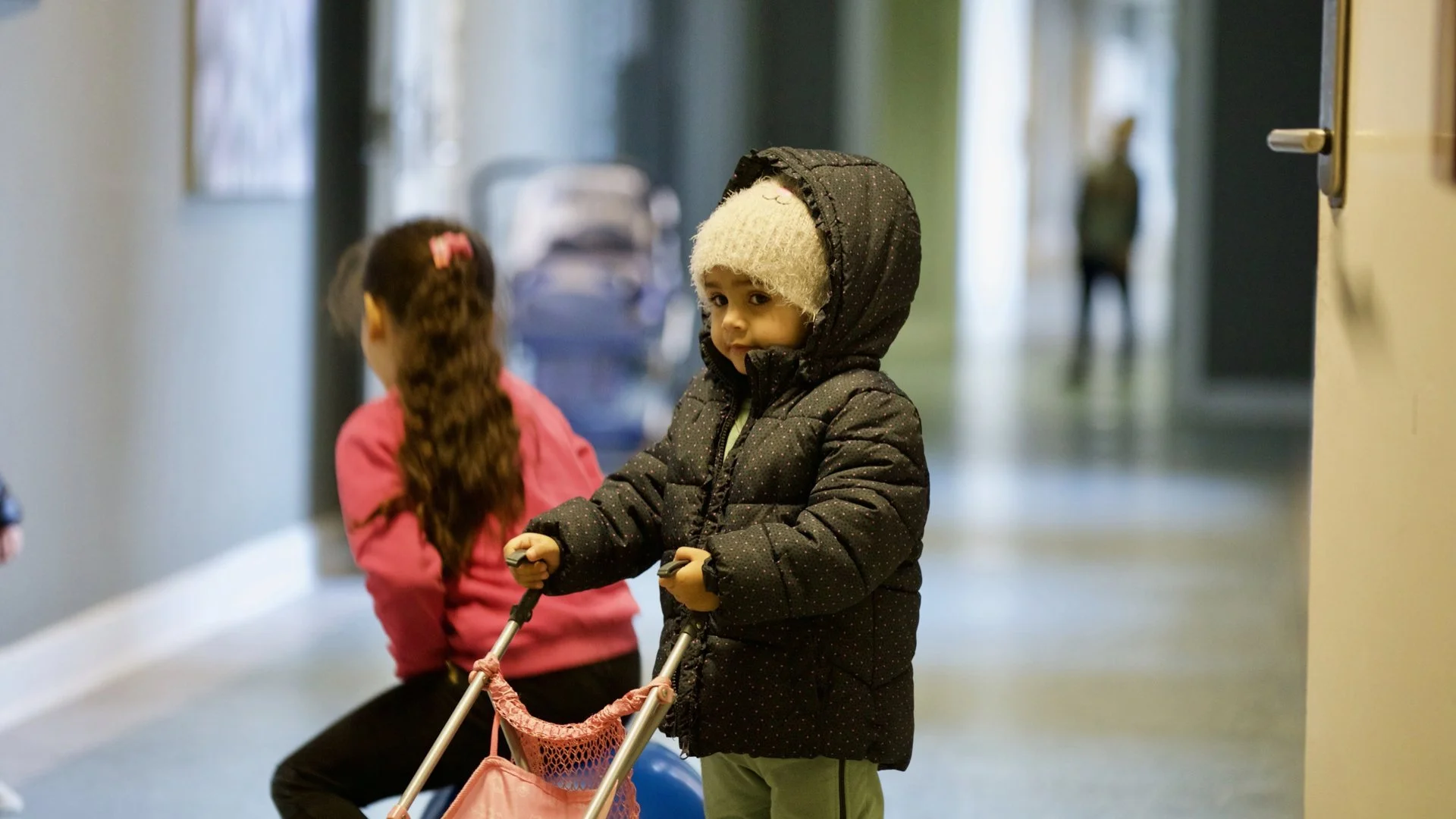
Regular Danish schools and kindergartens for children
Access to the public Danish health system
Access to housing inside Danish society with Danish neighbors
Basic human rights and democratic liberties
Good integration requires unconditional mutual respect for all citizens of a society.
Denmark is known for being a liberal constitutional democracy, but it is exclusive and marginalizing as long as democratic principles, liberties and rights don’t apply to people in the asylum system.
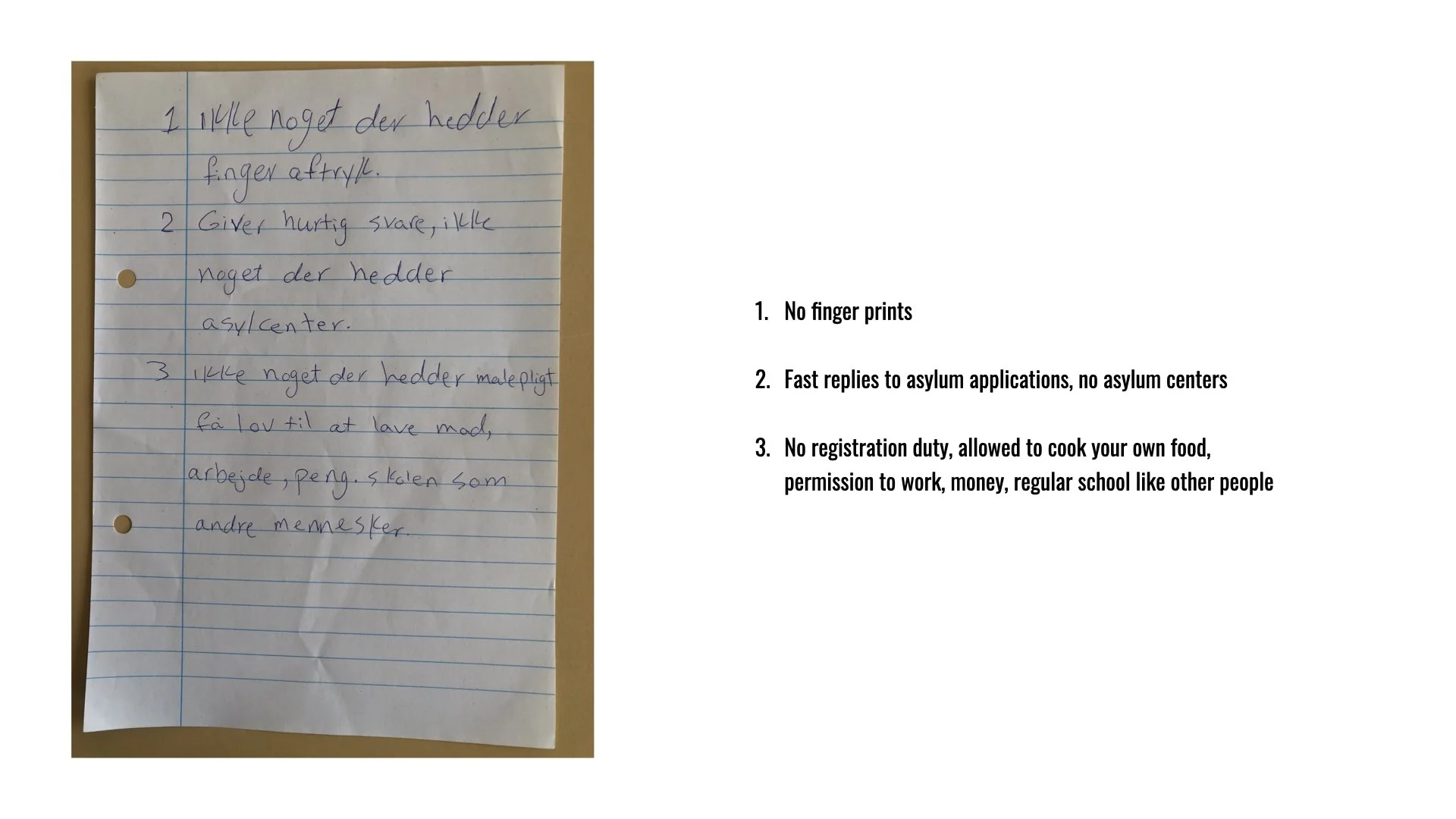
Trampoline House recommends that all asylum seekers should have the right to the following during all aspects and phases of their asylum-seeking process:
Access to professional free legal aid and fair trials
Access to professional free translation
Being treated as an equal, not a criminal
Read more
50 of around 60 families in deportation center Sjælsmark have written an open letter to Prime Minister Mette Frederiksen and Minister for Immigration & Integration Mattias Tesfaye. In the letter, they reject a Sjælsmark employee’s claim that most them want to stay in Sjælsmark. “It is indefensible and unethical to put words in our mouth,” they write.
At Trampoline House’s house meetings, the participants are practicing democratic dialogue. Meanwhile, the government and the Danish People’s Party are restricting refugees’ possibilities for integration.
The government’s refugee policies don’t make sense on a humane, democratic or economical level. We have to resist!
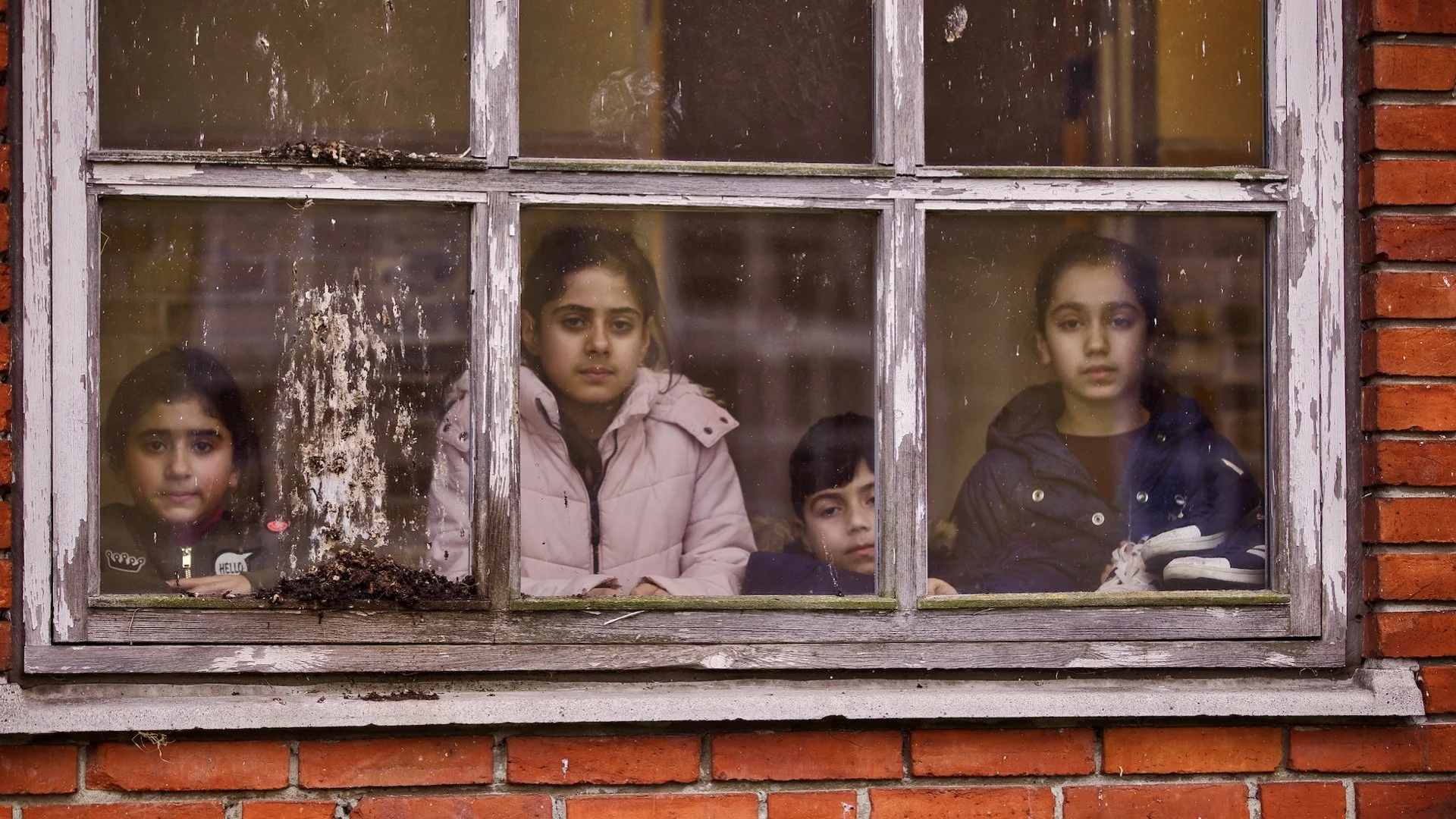
“Please listen to our voices. We do not want our loved children crying every day because of the horrible living conditions. Our children are asking, why are we living here? Asking, what shall we eat? We, parents have no answers but to cry also ourselves. We don't want our kids to suffer any more.”
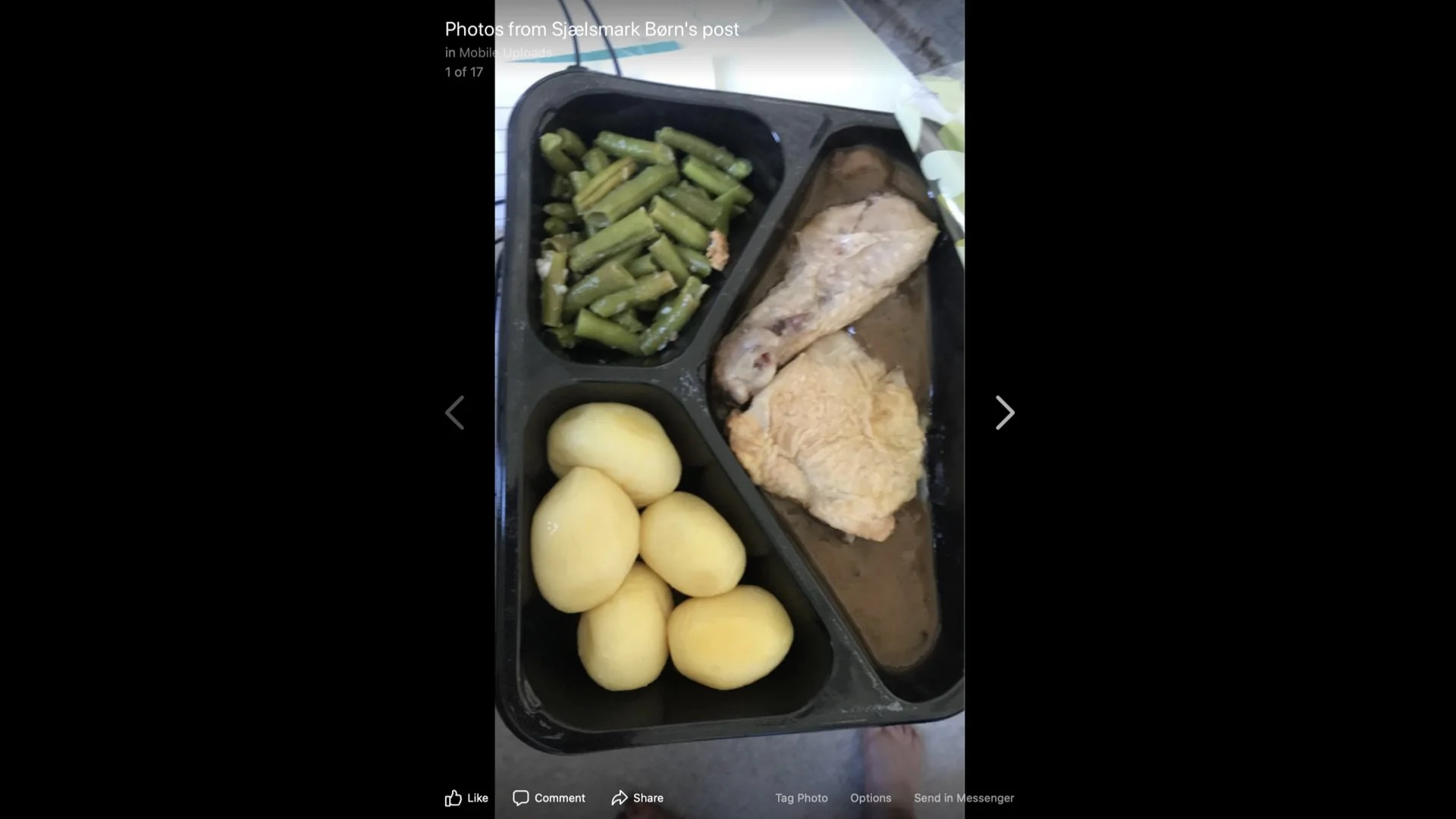
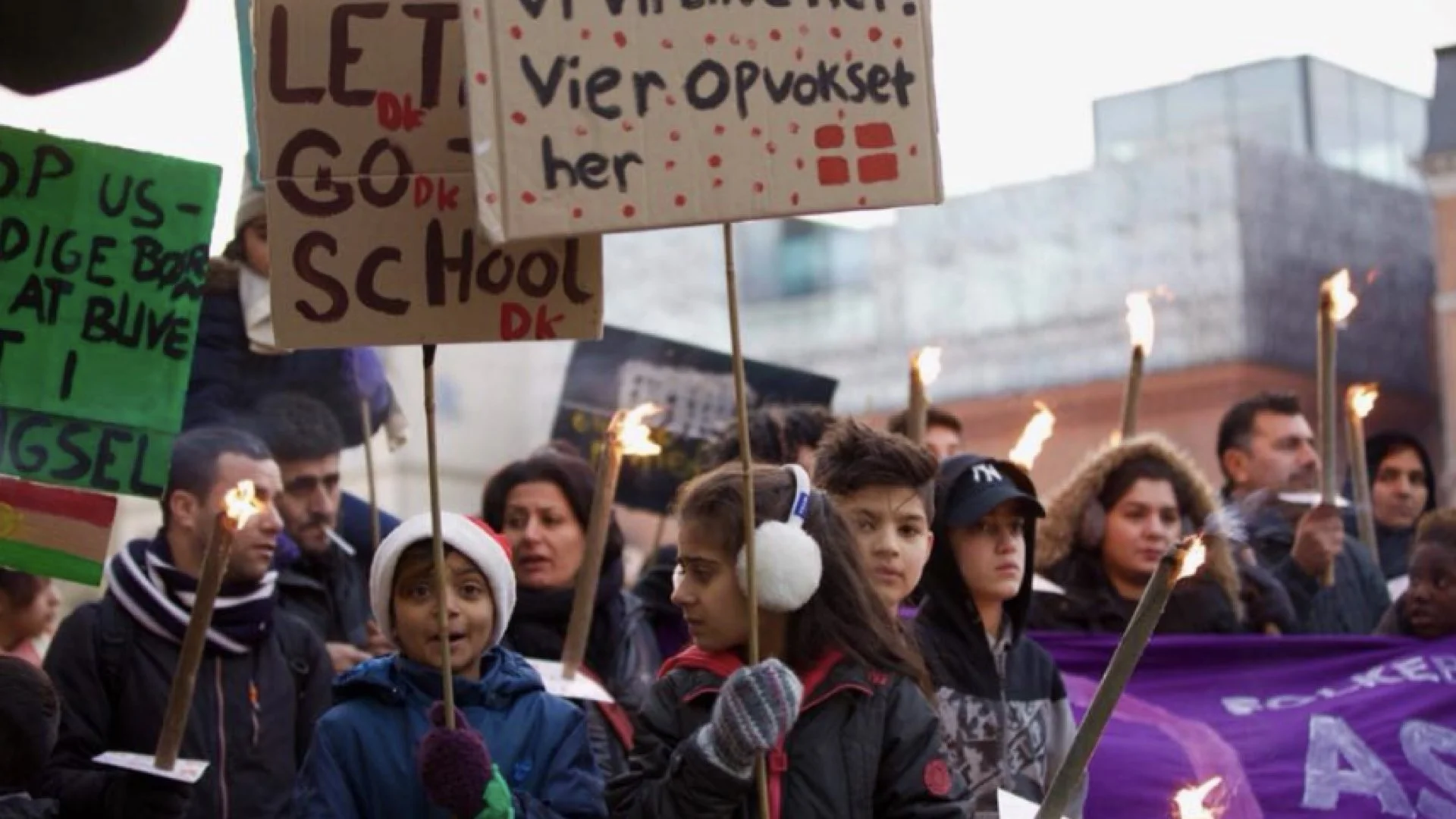
Since October 25, children and parents have been boycotting the cafeteria food in deportation center Sjælsmark. They ask for the center to be closed.
“There is discrimination on both sides. She wasn’t completely comfortable telling us that she was from Dansk Folkeparti. That’s why it’s an important thing for us to go to People’s Meeting and talk with people that are different from us.”
"Together, we can create a new paradigm". Get an overview of Trampoline House's activities and finances in 2017
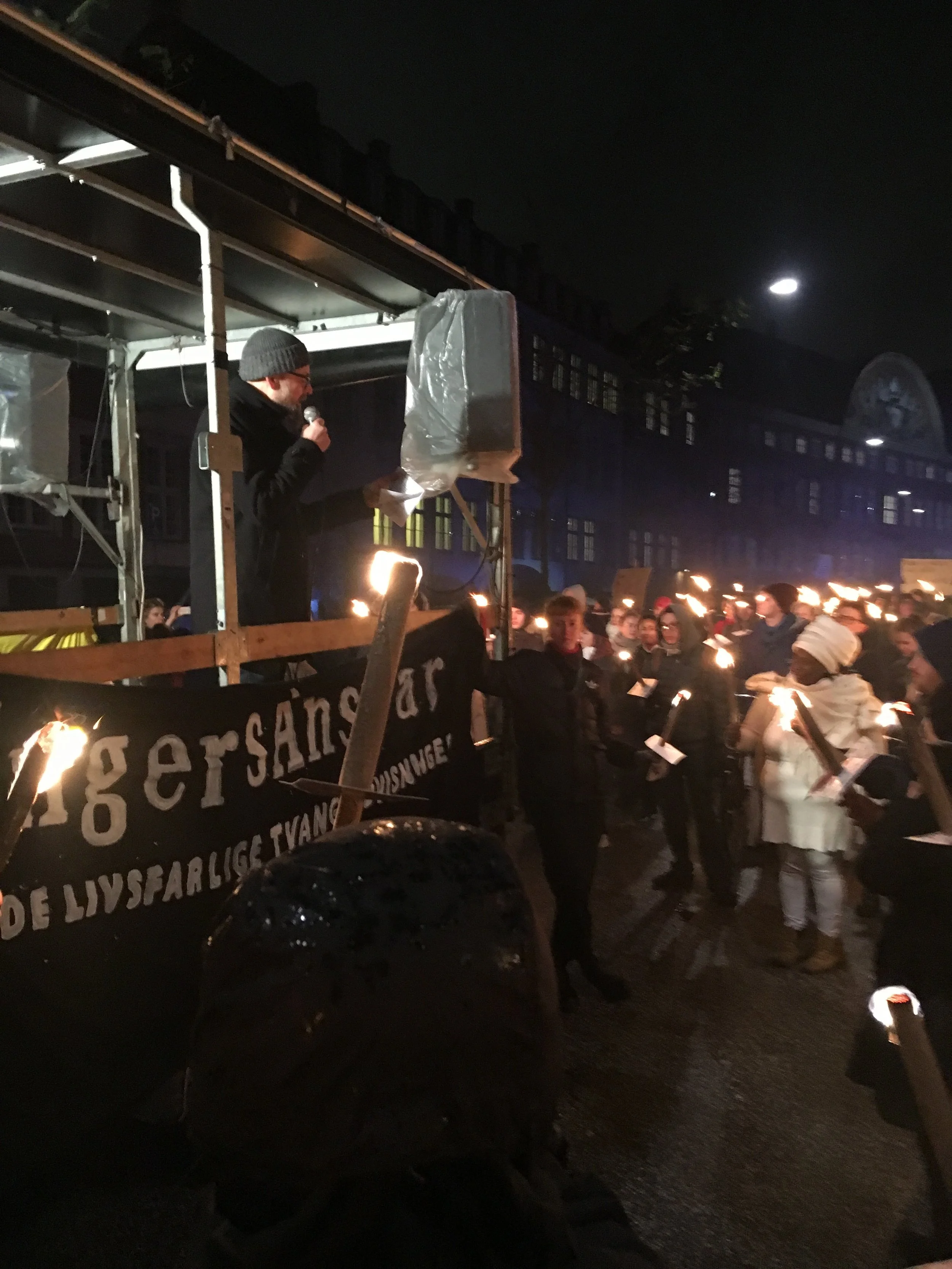
"It’s not just Inger Støjberg who’s responsible for this. It’s all of us. And that’s why we’re here today."
Hunger strike at the Deportation Center Kærshovedgård: “Close the camp! We are also humans!”
"There were politicians who came and spoke with local people, something that is the opposite of in my country, and I think Danish people should be proud of their democratic culture"
"I unfortunately have had to realize that the politicians in this country don't want to finance a decent treatment of asylum seekers and refugees"
In the beginning of April, Trampoilne House’s democracy class was invited by Humanity in Action and Roskilde University to participate in a workshop about the asylum system in Denmark.
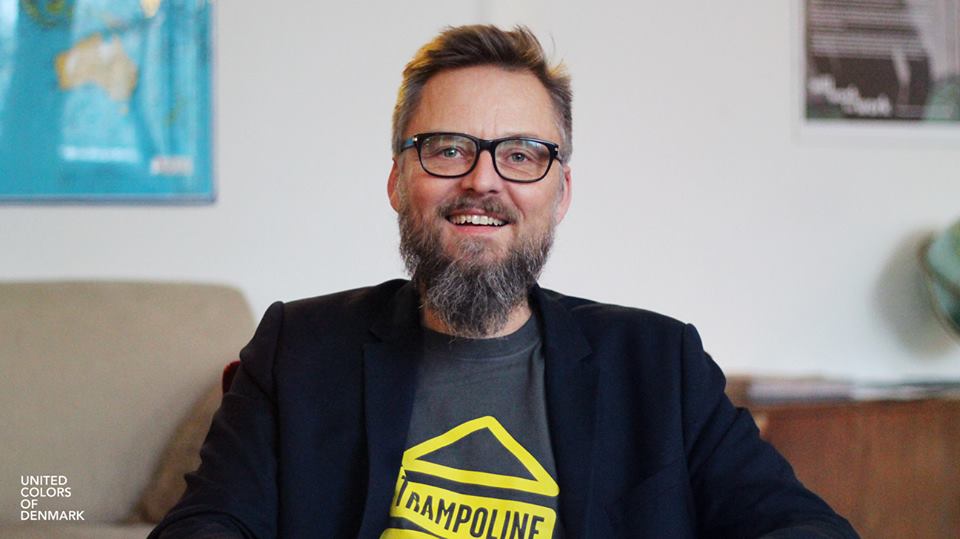
Watch this interview with Trampoline House’s Director Morten Goll about why Trampoline House is not all about saving asylum seekers, but about saving the Danish democracy.
2016 was a fateful year for Trampoline House as well as the political climate in Denmark and Europe.